

Our Latest News
Tri-national Network for the Rescue of the Lempa River holds forum entitled “Stopping the Plastic Tide”
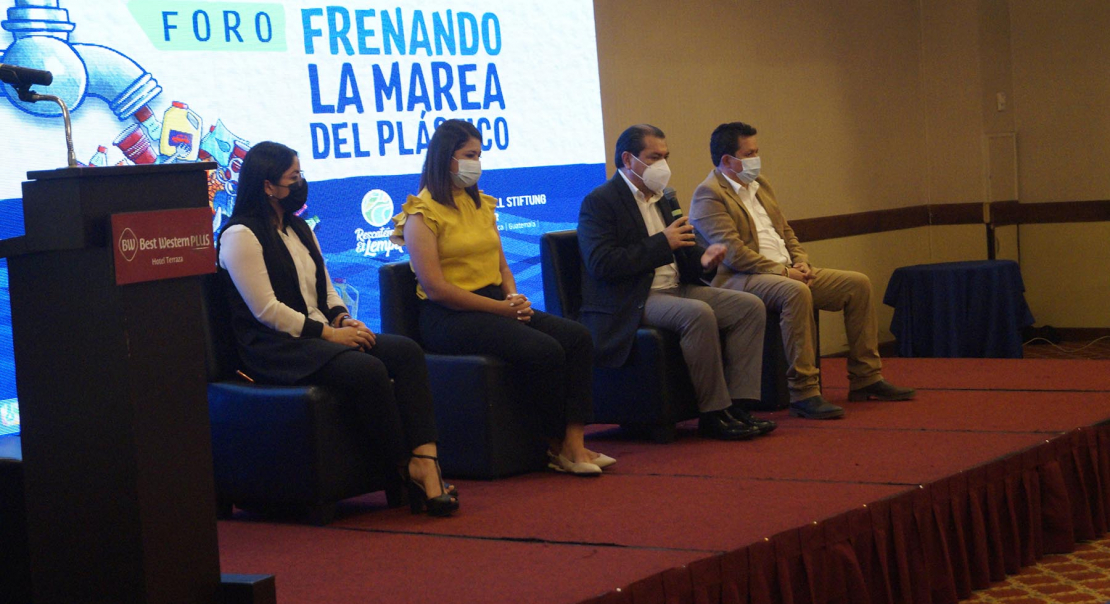
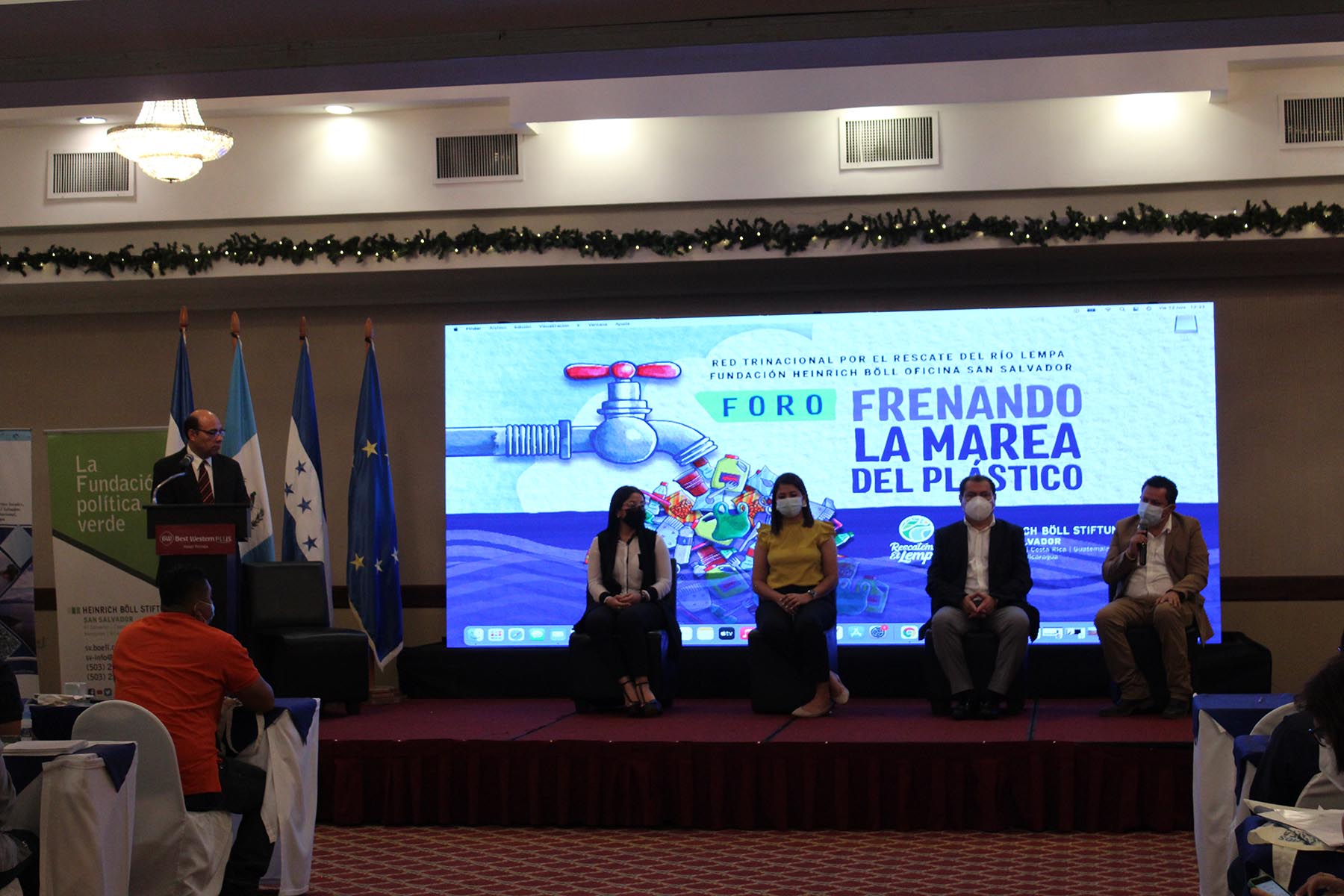
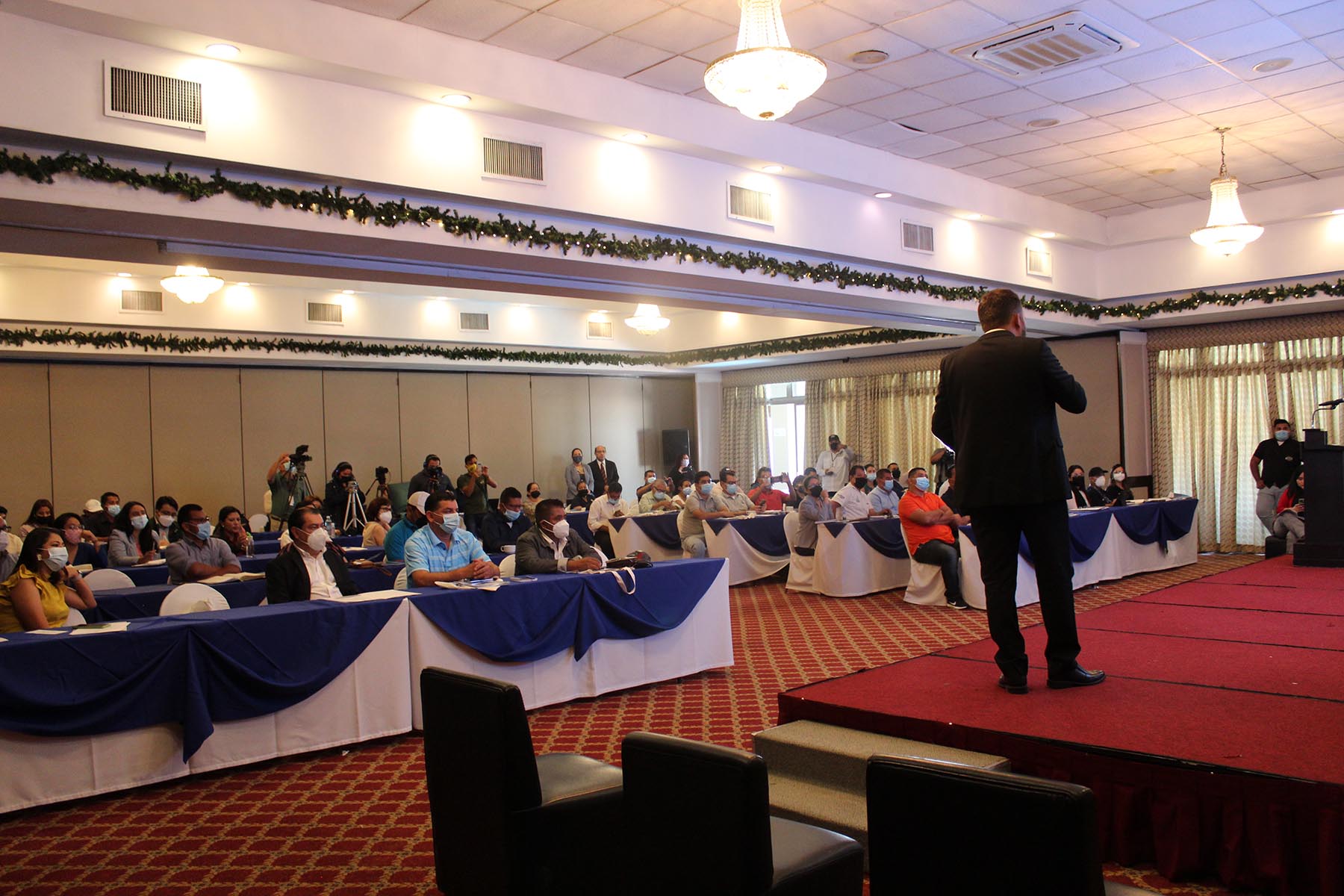
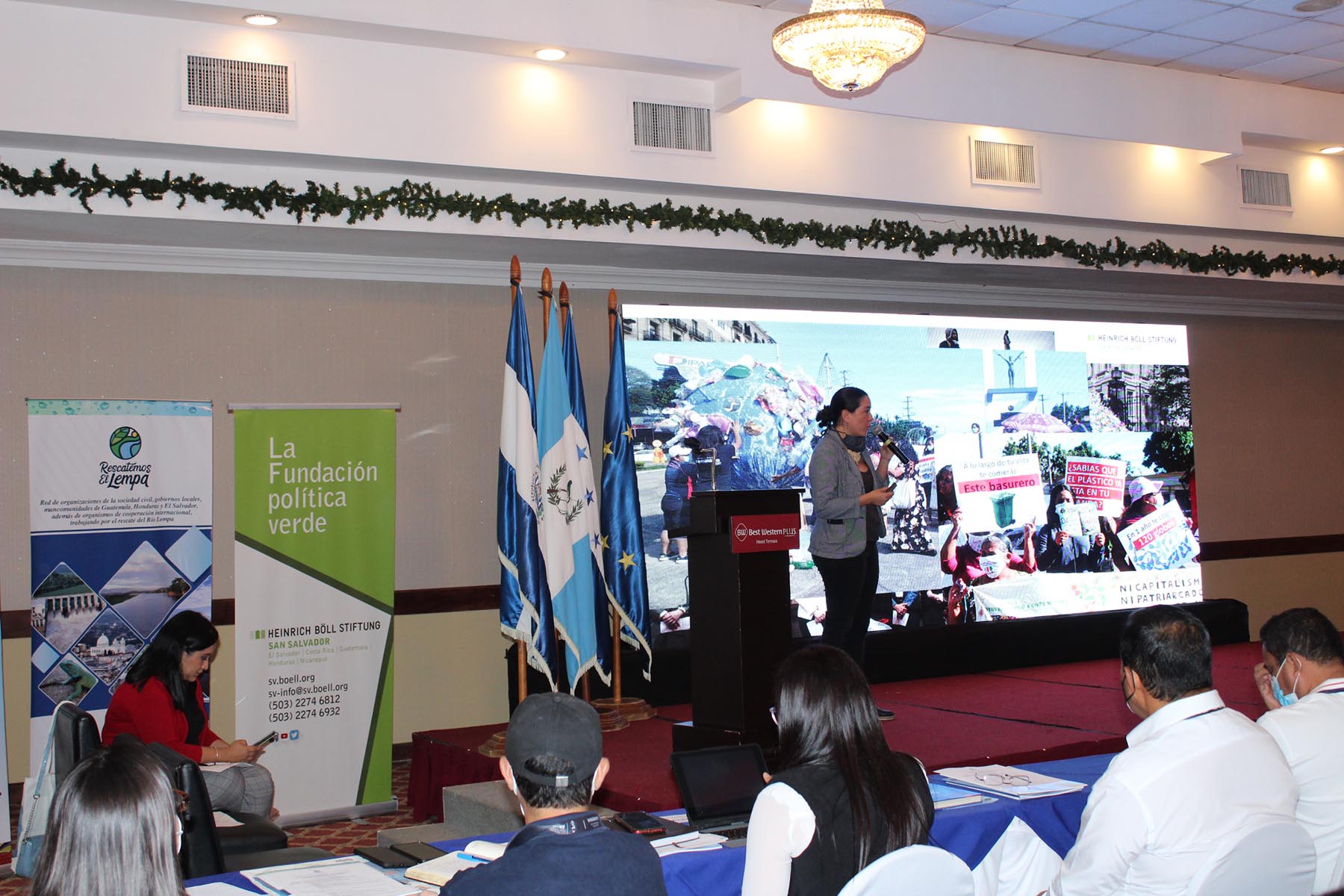
San Salvador, El Salvador, November 12, 2021. The Tri-national Association, as part of the Tri-national Network for the Rescue of the Lempa River, participated in the forum “Stopping the Plastic Tide,” which was attended by associations, municipalities, and civil society organizations from El Salvador, Honduras, and Guatemala.
The objective of the forum was to raise awareness about the high level of single-use plastic pollution that exists worldwide and to promote the signing of the San Salvador Declaration for an environment free of plastic pollution.
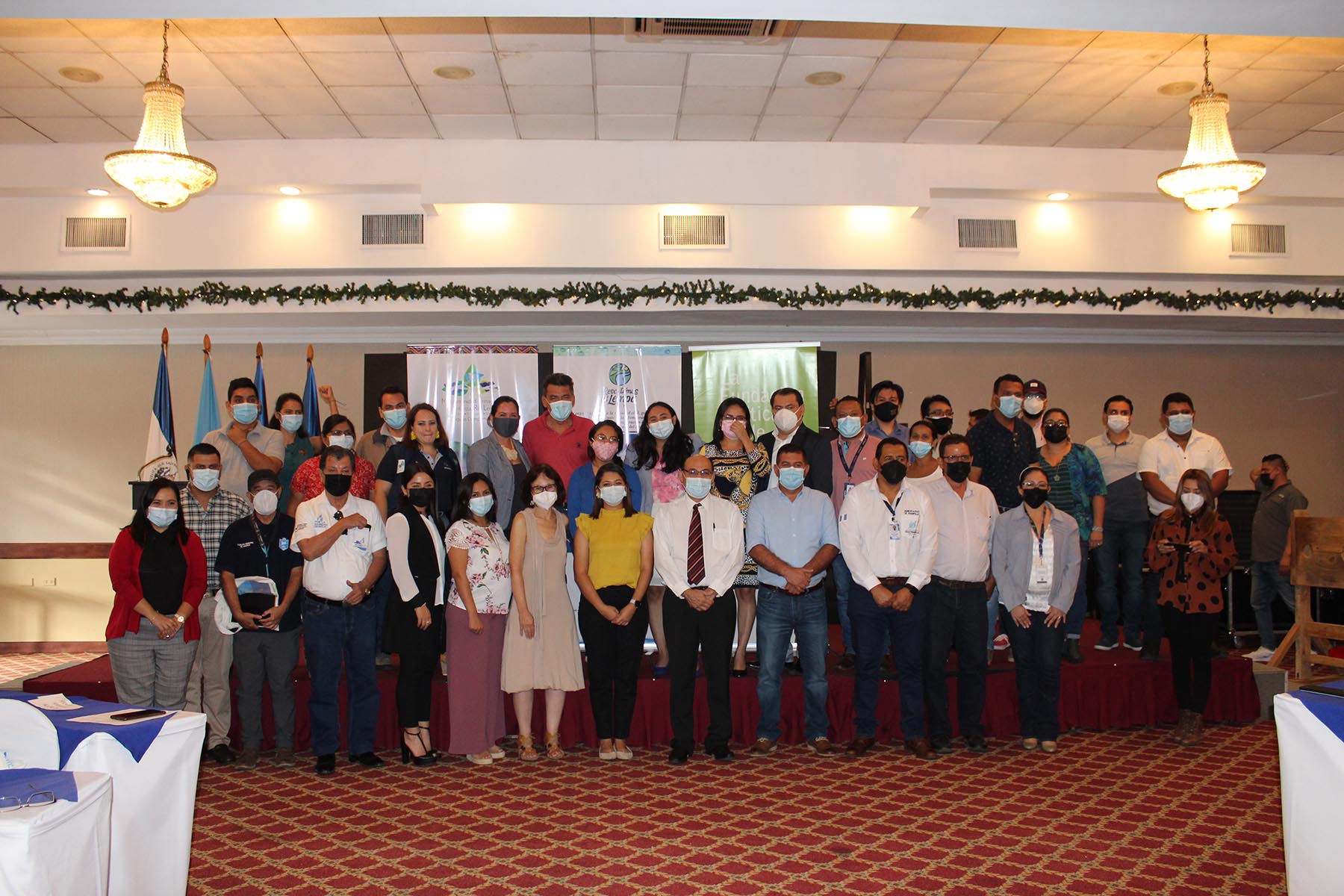
The San Salvador Declaration emphasizes the human right to live in a clean environment and warns about how plastic pollution is already affecting humans and all forms of life on our planet. During the forum, 23 municipalities, 2 associations of municipalities, and 12 civil society organizations signed the declaration.
Among the municipalities that signed the declaration are:
- Guatemala: Esquipulas, Camotán, San Pedro la Laguna, San Juan Ermita, Olopa, Jocotán, and Santa Catarina Mita.
Honduras: Sensenti, Puerto Cortez, La Labor, La Virtud Lempira, Ocotepeque, Sinuapa, and Roatán Islas de la Bahía.
El Salvador: Mejicanos, Apopo, Cítala, Ereguayquin, Santa Isabel Ishuatán, Dulce Nombre de María, Candelaria de la Frontera, San Fernando, and La Palma.
Of the above, 13 signed in person during the event and 10 signed virtually. The signatory associations are the Rio Lempa Tri-national Cross-border Association, which brings together 26 municipalities in the upper Lempa River basin, and the MOCALEMPA association, which brings together five municipalities in the middle Lempa basin.
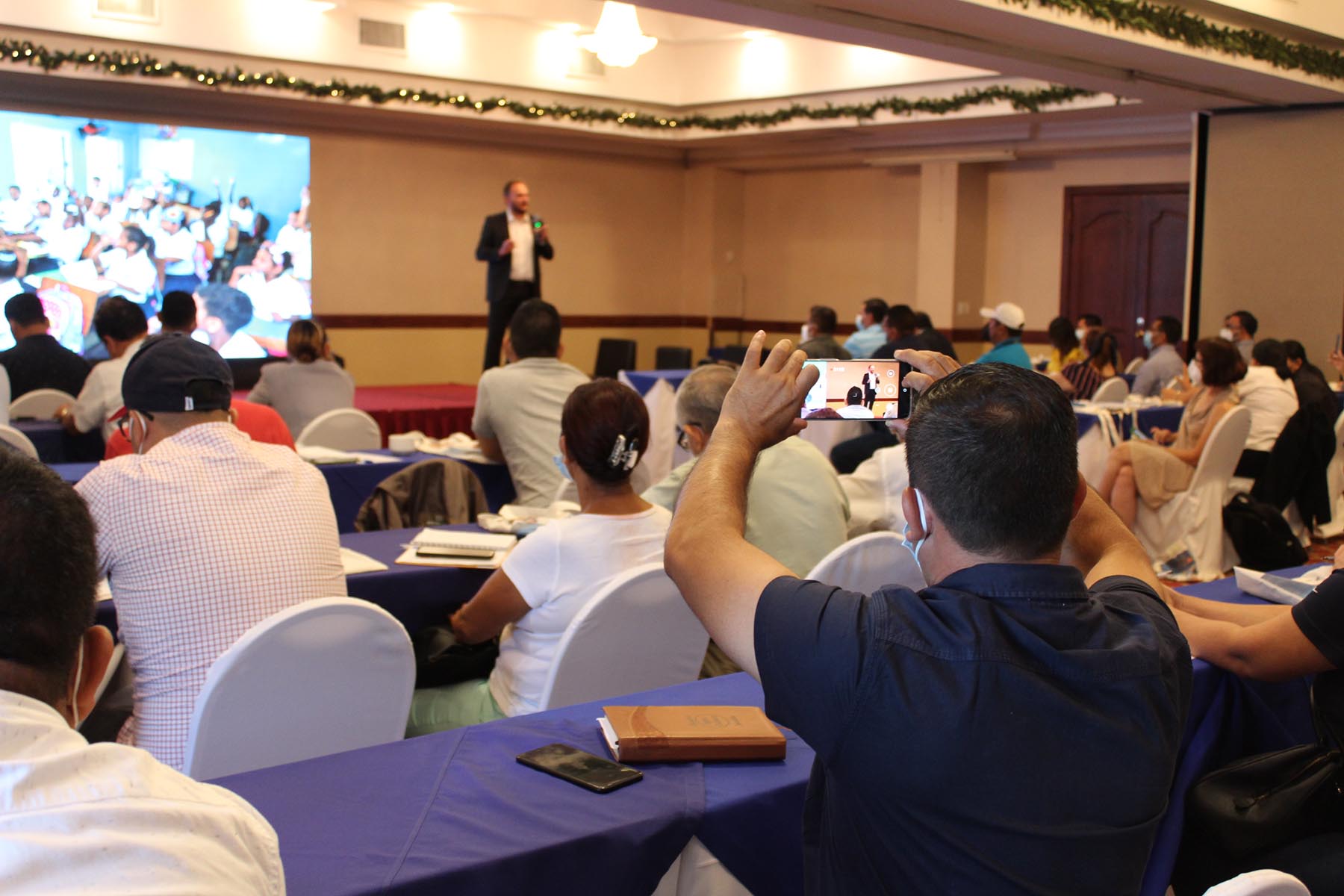
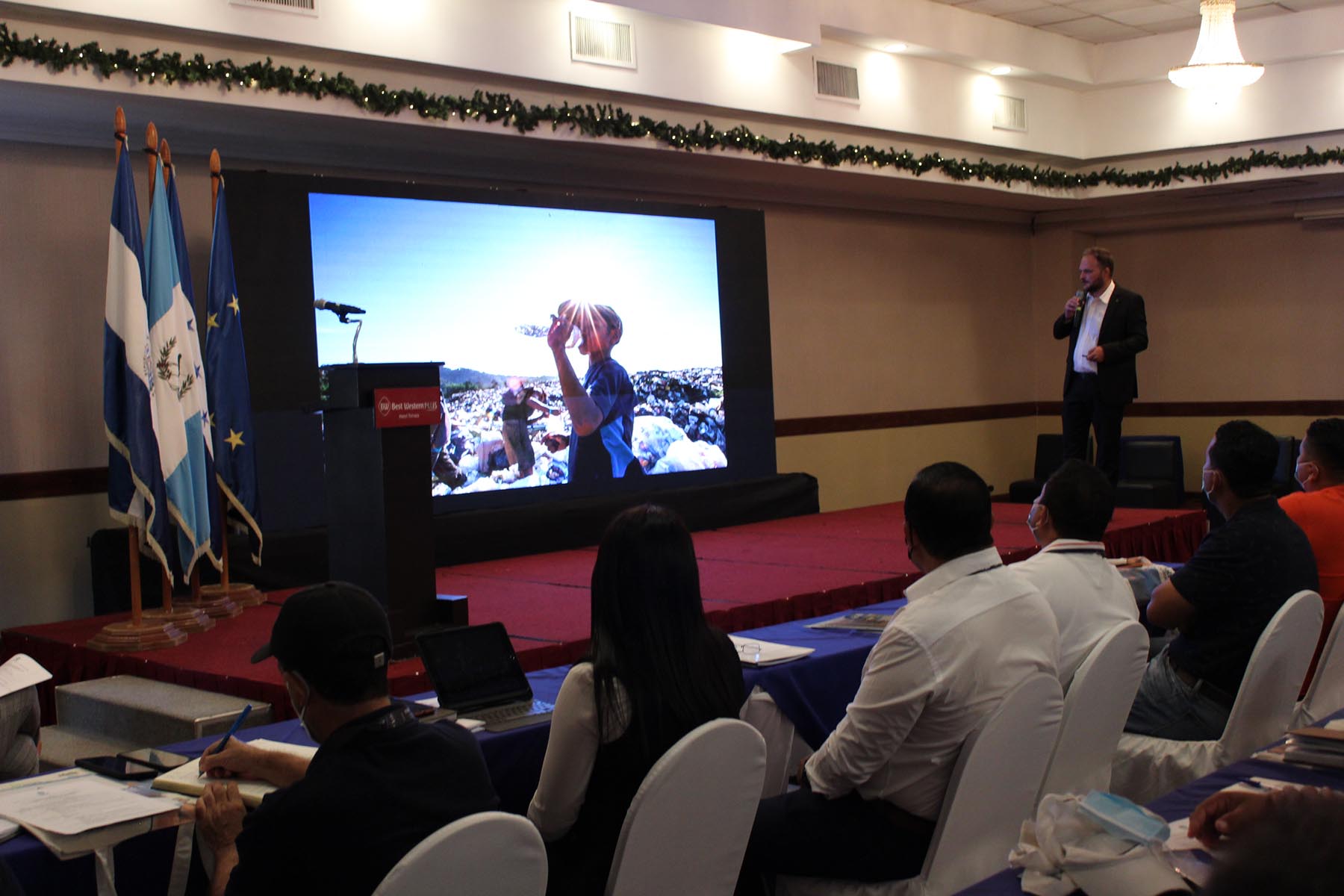
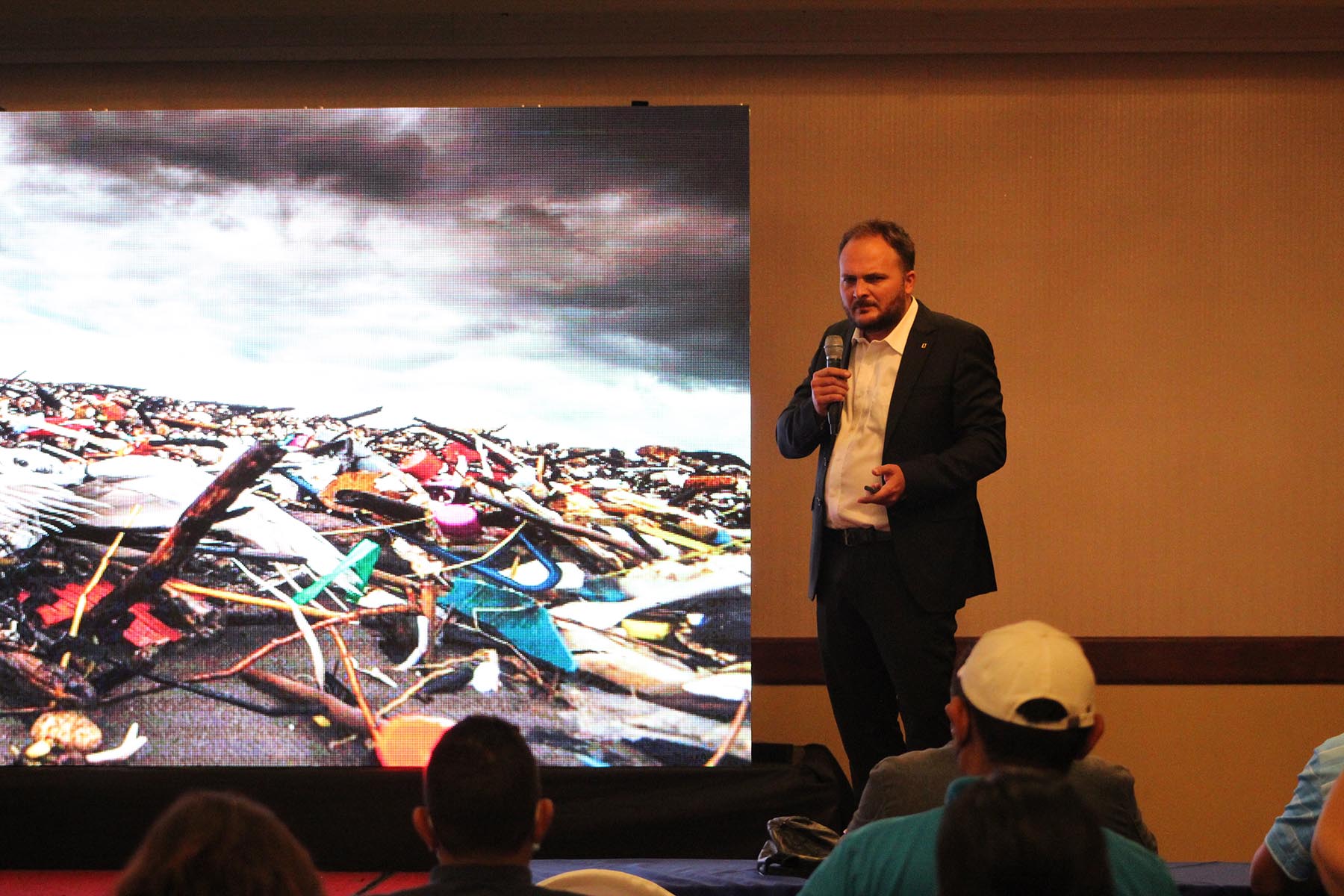
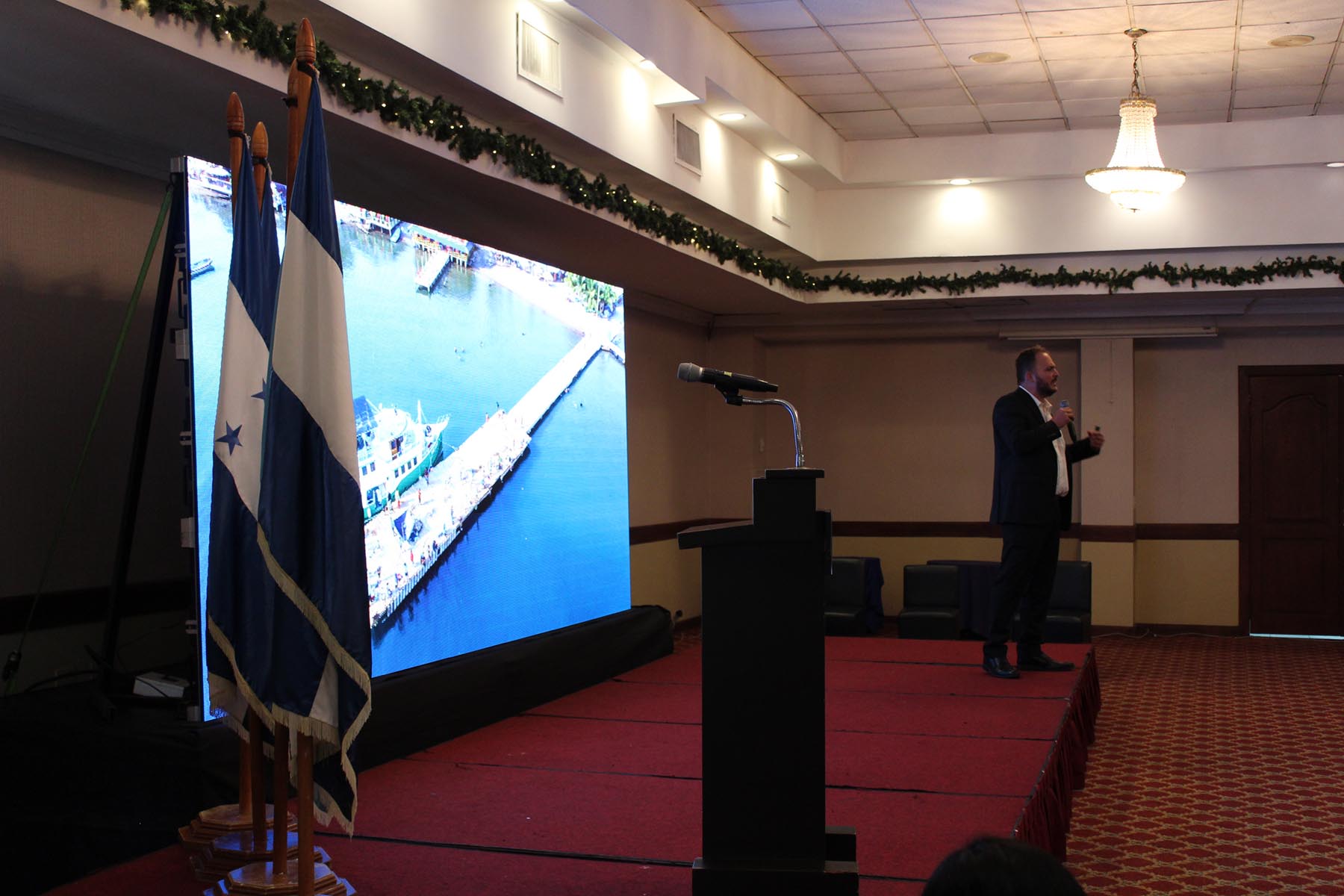
The event began with a keynote speech by photographer and environmentalist Sergio Izquierdo, who has conducted several expeditions researching and documenting the problem of plastic pollution around the world. In addition, the photographer shared shocking videos of plastic pollution in both the Motagua River in Guatemala and the Lempa River in El Salvador.
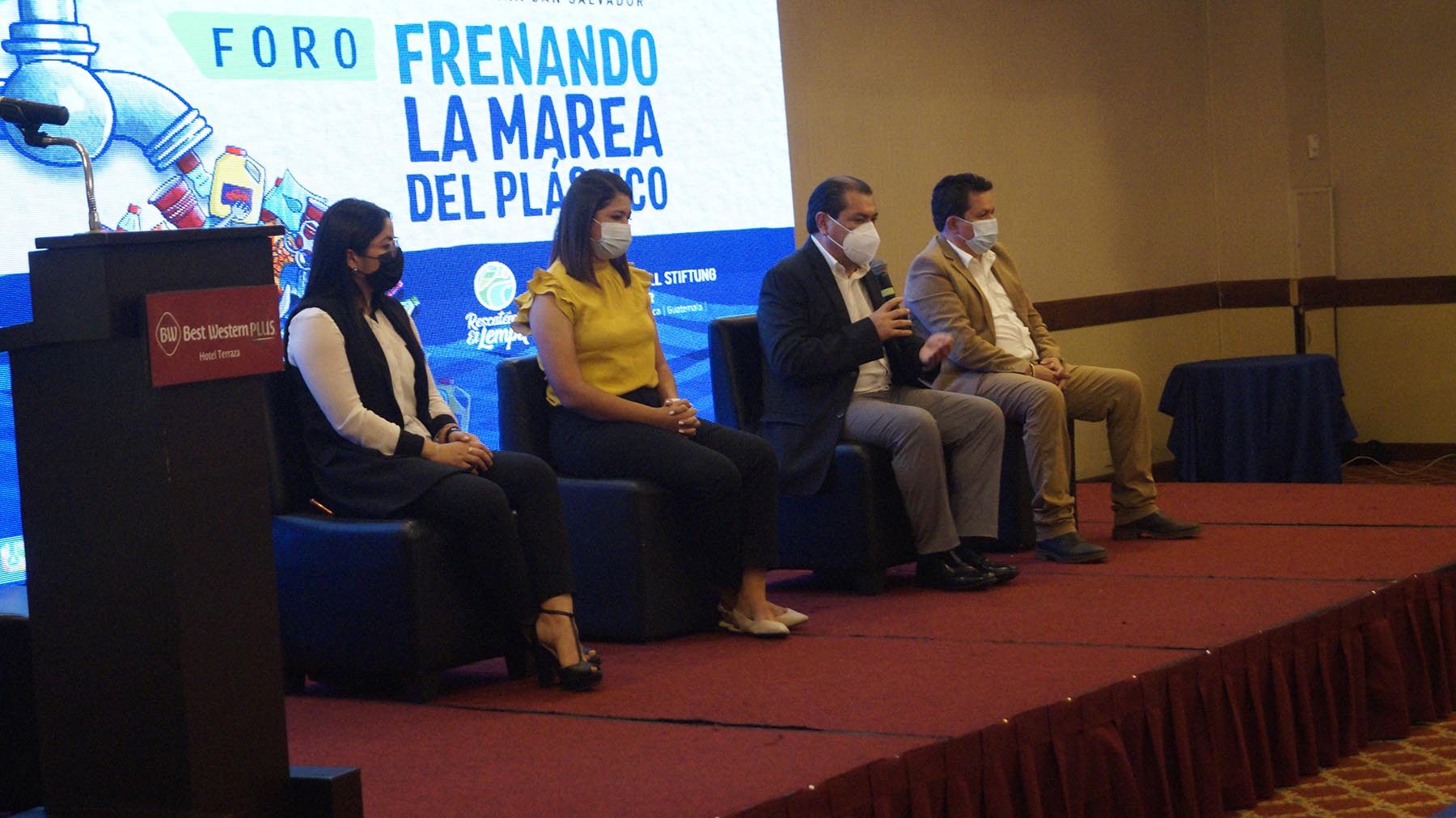
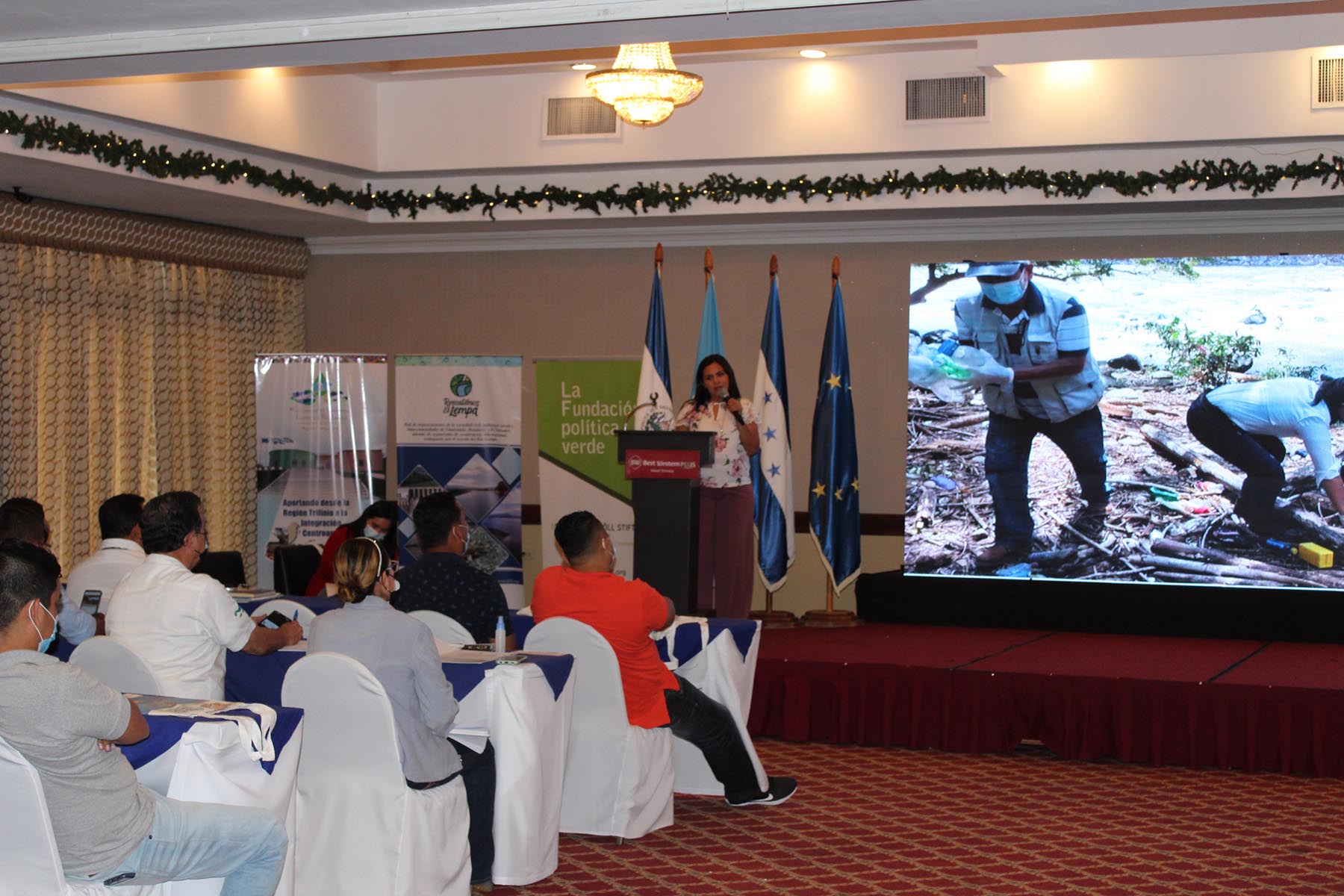
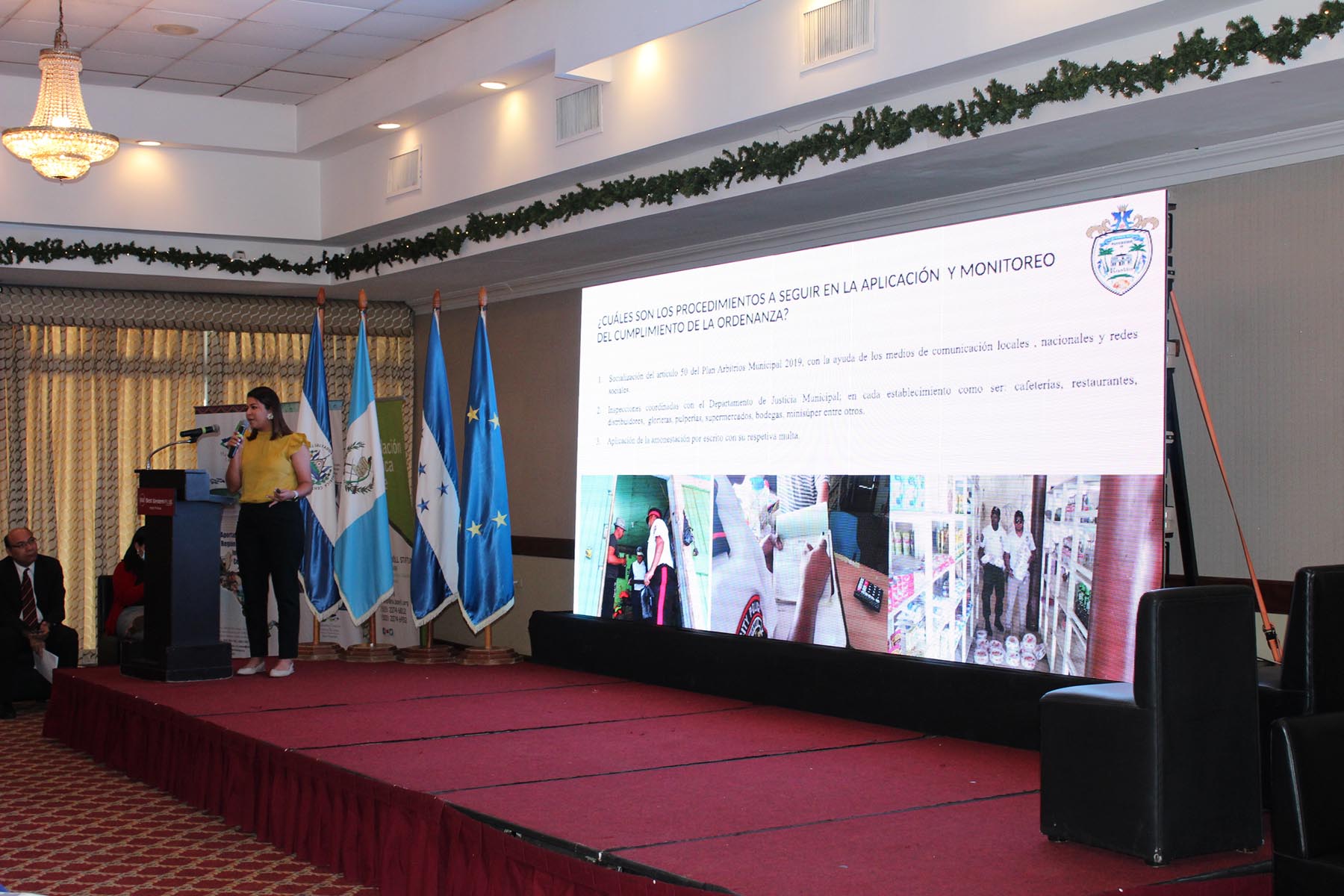
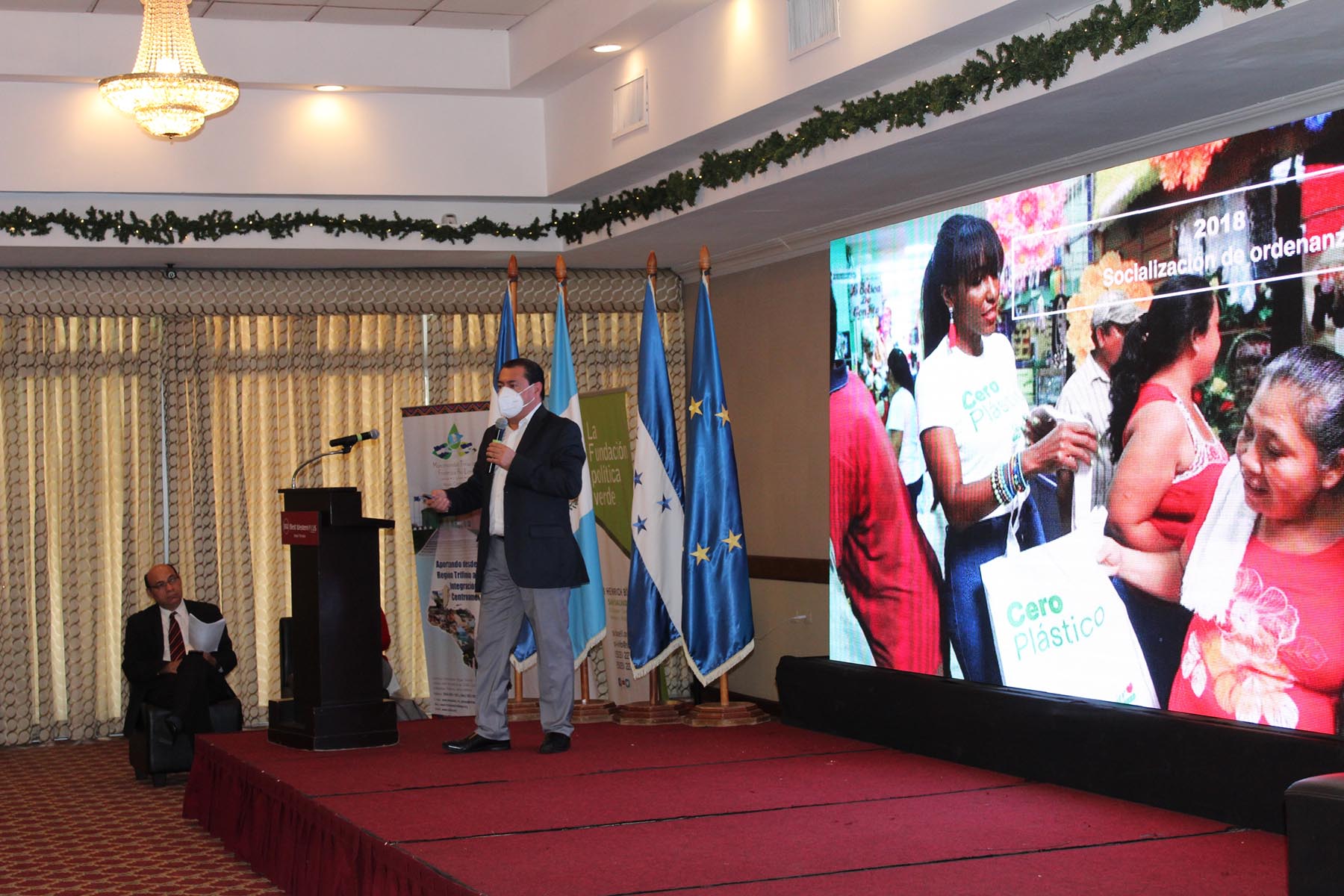
The forum was attended by mayors Edwin Ramos of San Pedro La Laguna in Guatemala and Alan David Ramos of Puerto Cortez in Honduras as guest municipalities to share their successful experiences. Fernanda Lozano from the Roatán Islas de la Bahía mayor's office, who has promoted the regulation of Roatán, one of the most ambitious in the world, also attended. Roatán began in 2019 with a process to ban single-use plastics, including the sale of PET bottles, bags, straws, plastic cutlery, and disposable cups, among other items.
Cynthia Córdoba Serrano, Secretary of Sectoral Planning for the Environment (SEPLASA) of the Ministry of the Environment (MINAE) of Costa Rica, participated virtually from Costa Rica and presented the process that is being implemented in that country to curb pollution from single-use plastics.
The coordinator of the Heinrich Böll Foundation, Ingrid Hausinger, emphasized the regulatory policies that are already being implemented worldwide and that are demonstrating that it is possible to combat single-use plastic pollution.
She noted that there are already more than 33 countries worldwide with national or subnational regulations, and more are joining every day. Among others, she mentioned the European directive that came into force on July 3, 2021, which prohibits the sale of single-use plastic items such as straws, cotton buds, cutlery, and plastic plates, among others, in order to combat pollution. Latin America and the Caribbean are not far behind. According to a UNEP study, 60% of countries are already considering and have adopted some type of regulation and legislation for plastics, mainly for single-use plastics. These include Mexico, Chile, Guatemala, Honduras, etc. Mexico City began 2021 by banning the sale, distribution, and delivery of single-use plastic products. In May, Chile approved a total ban on plastic items, including cups, mugs, bowls, cutlery, chopsticks, stirrers, straws, plates, boxes, glasses, prepared food containers, trays, sachets, placemats, and lids that are not reusable. The country gave businesses and shops six months to make this transition.
In Central America, Honduras and Guatemala have municipal regulations, and El Salvador is the only country that has not yet taken this step.
The Tri-National Network for the Rescue of the Lempa River hopes that with the signing of this declaration, the first regulation will soon be in place and that this will lead to a national regulation in the medium term.

_large.jpeg)
1_large.jpeg)