

Our Latest News
Trinational Roundtable for the Governance of the Lempa River Created
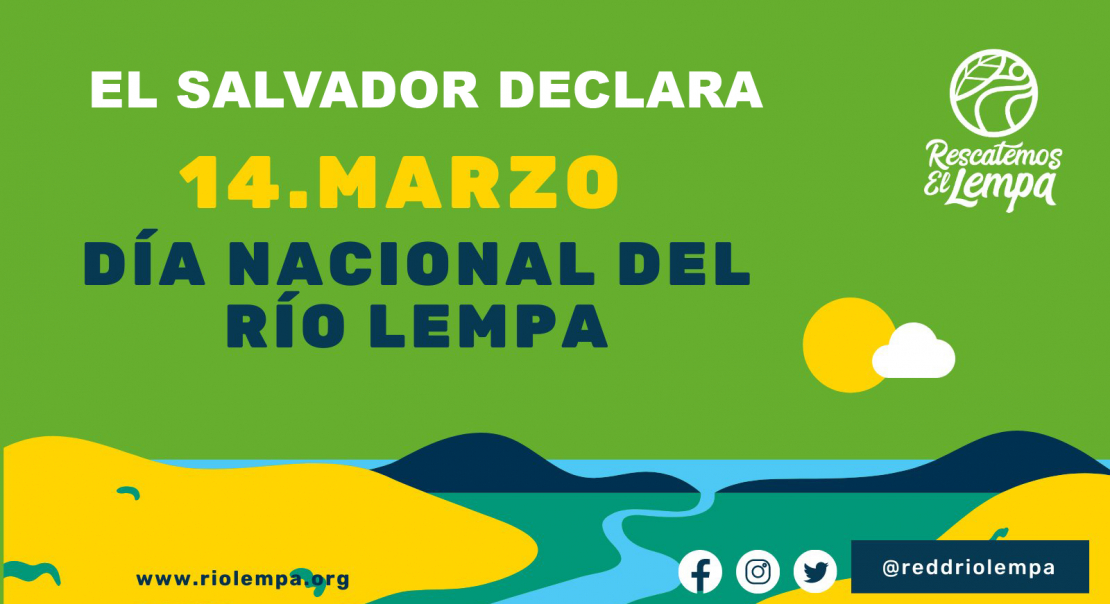
As part of National Lempa River Day, celebrated on Friday, March 14, in San Salvador, various institutions from Guatemala, Honduras, and El Salvador formed the first Tri-national Roundtable for the Governance of the Lempa River Basin, a multisectoral and tri-national cooperation initiative that will promote the protection and sustainable management of the Lempa River.
The event, held at an art museum in the Salvadoran capital, was attended by representatives of government institutions, environmentalists, universities, civil society, the private sector, and communities from the three Central American countries.
The Lempa River is the only river in Central America that flows through Guatemala, Honduras, and El Salvador. It is the main source of energy, agricultural development, livestock, and water for millions of people in those countries. However, it faces problems of pollution and overexploitation. To address this situation, the Roundtable seeks to strengthen trinational coordination and integrated water resource management.
The day began with welcoming remarks from Nelly Rivera, representative of the Tri-national Network for the Rescue of the Lempa River, who invited attendees to work together to rescue this important watershed that unites these three nations.
“I am happy to be at this meeting that seeks to unite us to work for this river, which is only 300 meters from my house,” said Walter Pineda, mayor of San Francisco del Valle, Ocotepeque, Honduras, and vice president of the Board of Directors of the Tri-national Border Community of the Lempa River (MTFRL), the institution organizing the event.
Ingrid Wehr, regional director for Central America at the Heinrich Böll Foundation, echoed this sentiment: “I am very happy to see representatives from official institutions, environmentalists, and academia. We welcome you all and thank you for joining this effort.”
The central theme was presented by Ingrid Hausinger, Ecology Coordinator at the Heinrich Böll Foundation, who detailed the levels of pollution and deforestation affecting the Lempa River basins, coupled with the new threat of mining in El Salvador.
“This is a major setback. Now we have to face the possibility of new metal mining in the Lempa River basin. Metal mining, however they want to sell it, is not environmentally friendly, and there is no such thing as green mining,” said Hausinger.
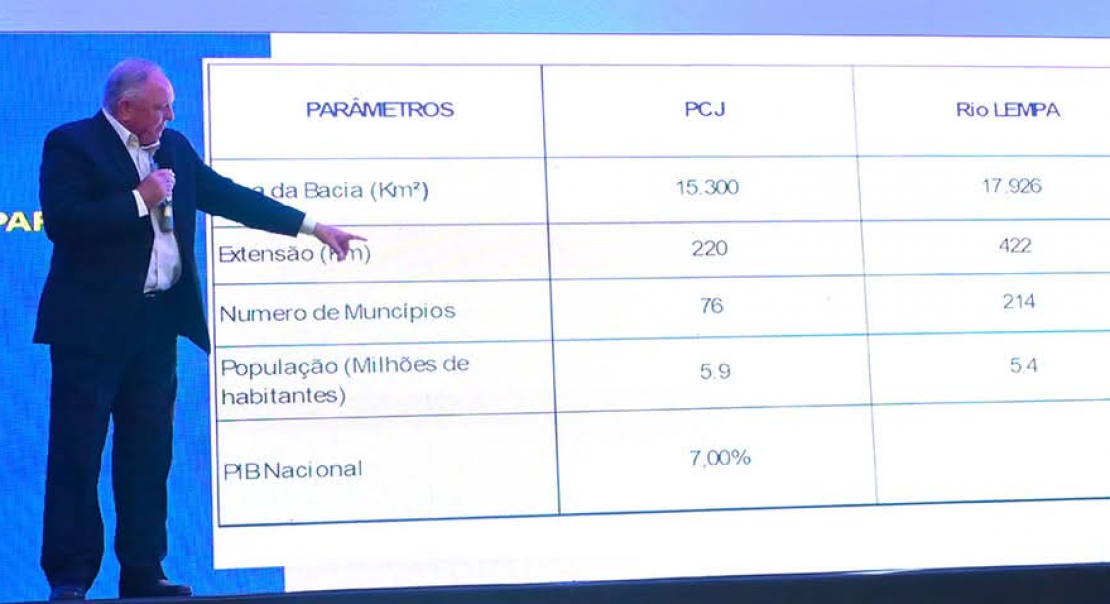
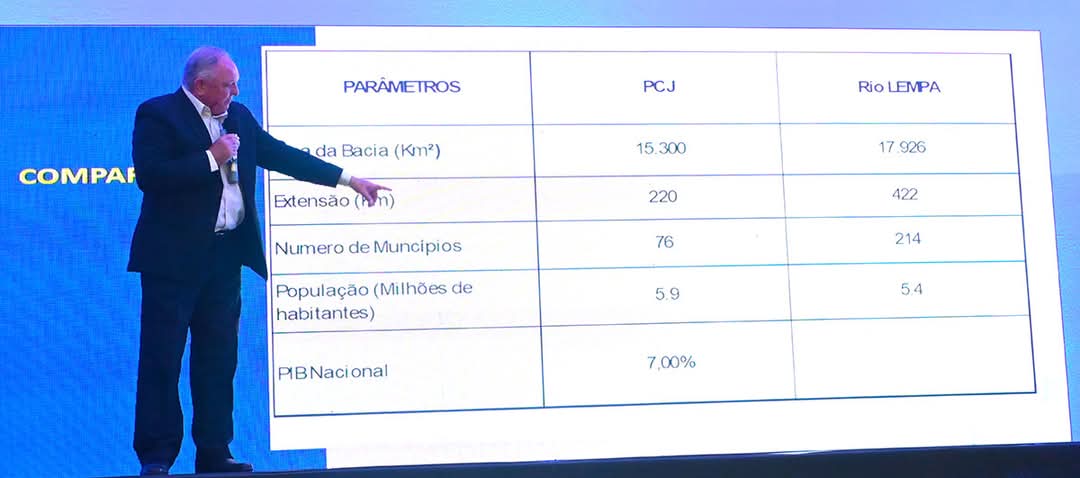
The second panel was led by Sergio Razera, president of the Board of Directors of the Piracicaba, Capivai, and Jundiaí River Water Agency (PCJ Agency) of Brazil, who shared successful experiences of multisectoral governance in the São Paulo River basin.
Paul Hicks, interim director of the Lempa River Conservation and Restoration Program, and Catherine Vásquez, technical deputy director of the program, presented strategies for river restoration.
Ariana Bazzaglia Badía, deputy director of authorizations at the Salvadoran Water Authority (ASA), spoke about the Water Information System (SIHI), a key tool for permit management and water monitoring.
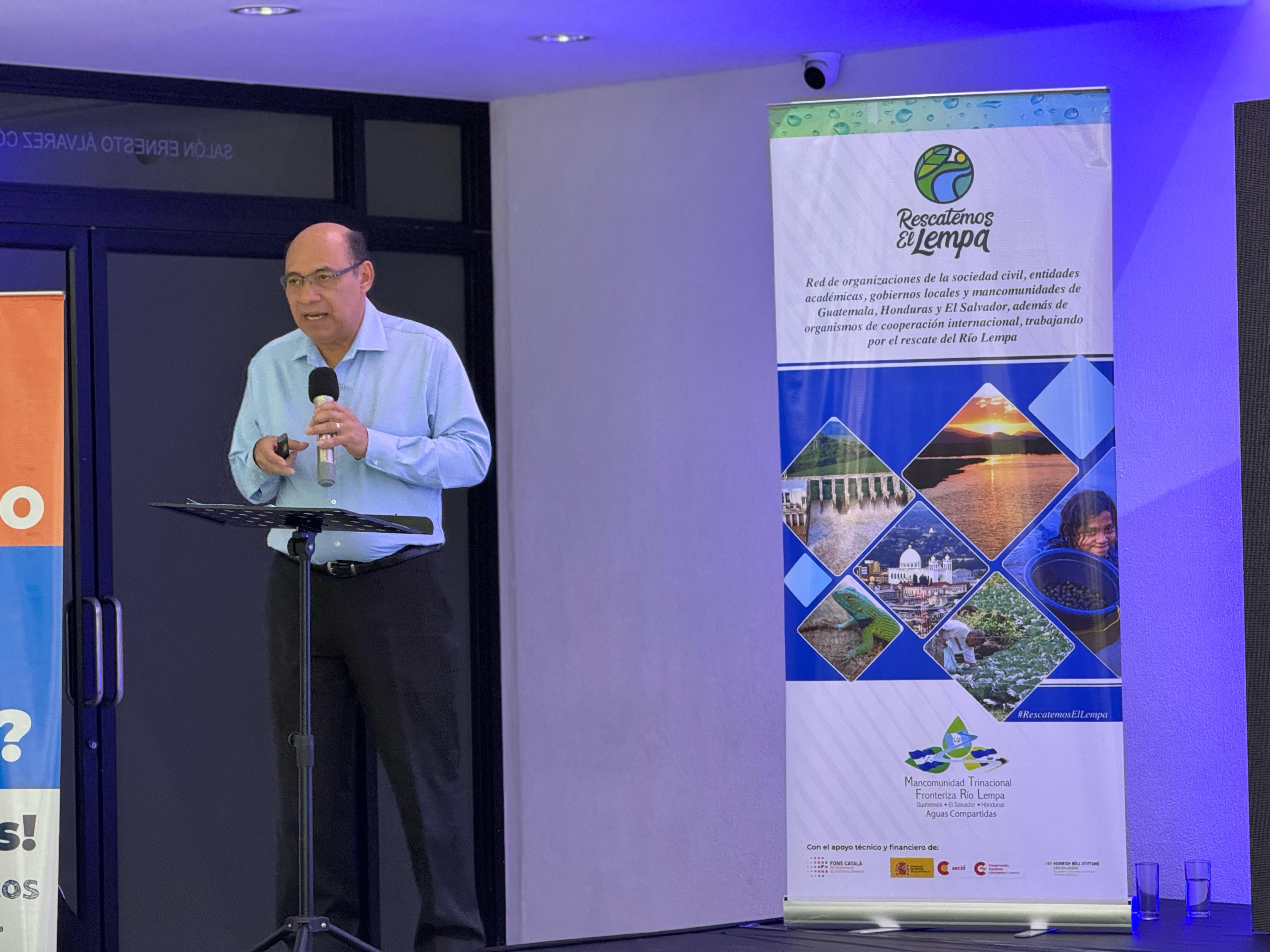
One of the most important points of the meeting was the presentation of the Lempa River Basin Governance Roundtable by Héctor Aguirre, manager of the MTFRL. “This space seeks to strengthen water resource governance at both the national and trinational levels,” he said.
But, above all, "to raise awareness among the population, which we must involve in this effort, because the population is key to bringing about the strategic changes we need, contributing to the formulation of local, national, and trinational public policies at the treaty level that promote the sustainable and equitable use of water resources and incorporate a multisectoral and trinational vision based on the principles of sustainability, environmental protection, and social equity," said Aguirre.
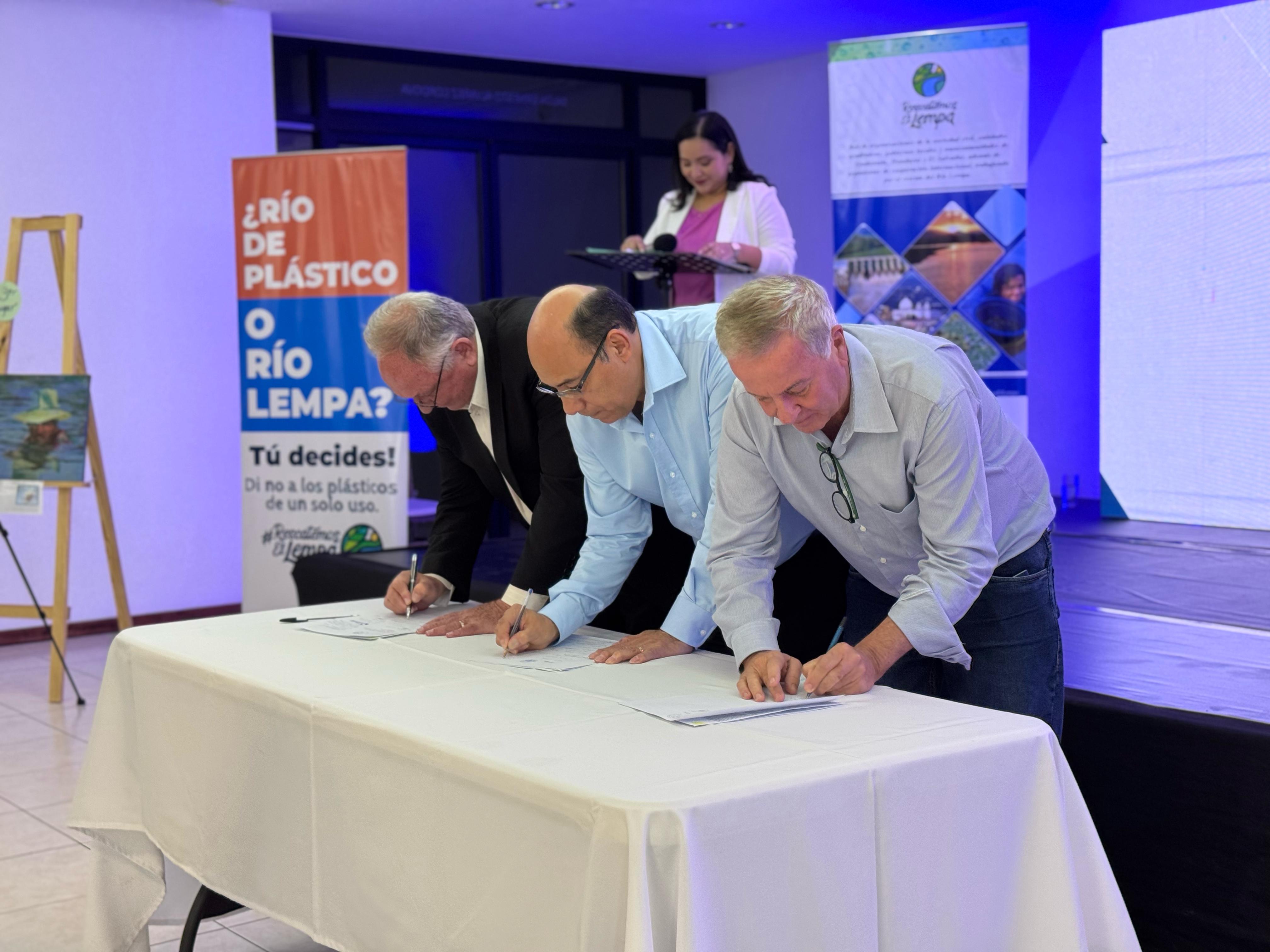
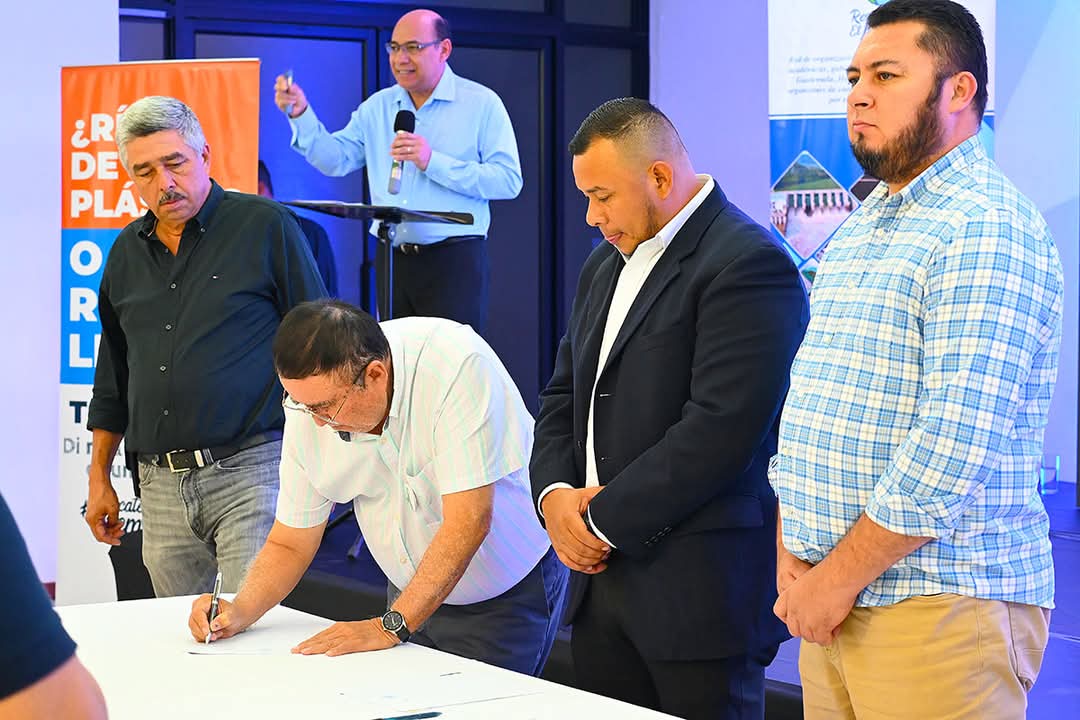
Subsequently, the formal signing of the accession agreement and the official reading of the Charter took place, formalizing the participating organizations' commitment to the sustainable management of the river.
The event was enhanced by the participation of artists from the three countries, who conveyed messages of fraternity and protection of natural resources.
The event closed with an invitation to join the Movilízate por el Río Lempa (Mobilize for the Lempa River) campaign, which seeks to raise public awareness about water conservation through the use of the hashtags #RescatemosElLempa and #SomosRíoLempa on social media.

_large.jpeg)
1_large.jpeg)