

Our Latest News
As part of National Lempa River Day, celebrated on Friday, March 14, in San Salvador, various institutions from Guatemala, Honduras, and El Salvador formed the first Tri-national Roundtable for the Governance of the Lempa River Basin, a multisectoral and tri-national cooperation initiative that will promote the protection and sustainable management of the Lempa River.
The event, held at an art museum in the Salvadoran capital, was attended by representatives of government institutions, environmentalists, universities, civil society, the private sector, and communities from the three Central American countries.
The Lempa River is the only river in Central America that flows through Guatemala, Honduras, and El Salvador. It is the main source of energy, agricultural development, livestock, and water for millions of people in those countries. However, it faces problems of pollution and overexploitation. To address this situation, the Roundtable seeks to strengthen trinational coordination and integrated water resource management.
The day began with welcoming remarks from Nelly Rivera, representative of the Tri-national Network for the Rescue of the Lempa River, who invited attendees to work together to rescue this important watershed that unites these three nations.
“I am happy to be at this meeting that seeks to unite us to work for this river, which is only 300 meters from my house,” said Walter Pineda, mayor of San Francisco del Valle, Ocotepeque, Honduras, and vice president of the Board of Directors of the Tri-national Border Community of the Lempa River (MTFRL), the institution organizing the event.
Ingrid Wehr, regional director for Central America at the Heinrich Böll Foundation, echoed this sentiment: “I am very happy to see representatives from official institutions, environmentalists, and academia. We welcome you all and thank you for joining this effort.”
The central theme was presented by Ingrid Hausinger, Ecology Coordinator at the Heinrich Böll Foundation, who detailed the levels of pollution and deforestation affecting the Lempa River basins, coupled with the new threat of mining in El Salvador.
“This is a major setback. Now we have to face the possibility of new metal mining in the Lempa River basin. Metal mining, however they want to sell it, is not environmentally friendly, and there is no such thing as green mining,” said Hausinger.
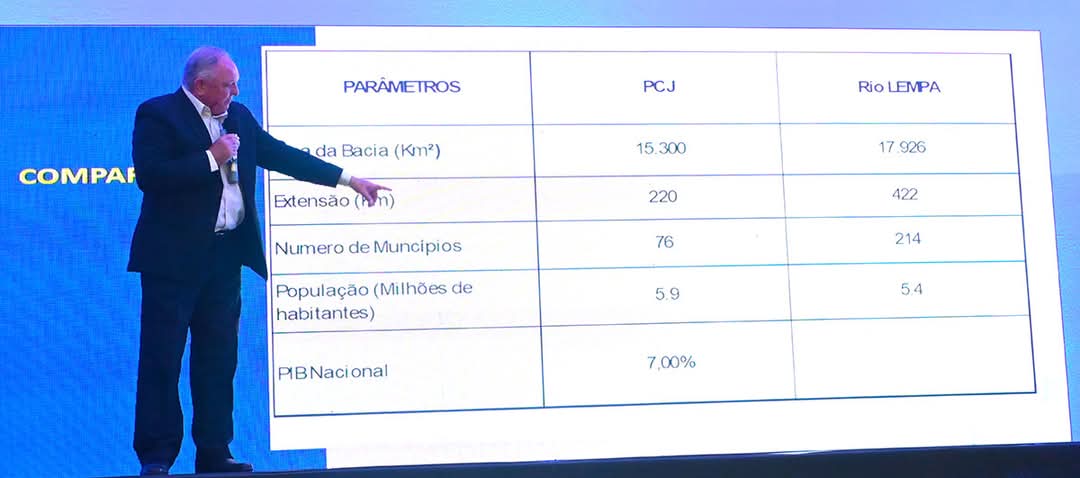
The second panel was led by Sergio Razera, president of the Board of Directors of the Piracicaba, Capivai, and Jundiaí River Water Agency (PCJ Agency) of Brazil, who shared successful experiences of multisectoral governance in the São Paulo River basin.
Paul Hicks, interim director of the Lempa River Conservation and Restoration Program, and Catherine Vásquez, technical deputy director of the program, presented strategies for river restoration.
Ariana Bazzaglia Badía, deputy director of authorizations at the Salvadoran Water Authority (ASA), spoke about the Water Information System (SIHI), a key tool for permit management and water monitoring.
One of the most important points of the meeting was the presentation of the Lempa River Basin Governance Roundtable by Héctor Aguirre, manager of the MTFRL. “This space seeks to strengthen water resource governance at both the national and trinational levels,” he said.
But, above all, "to raise awareness among the population, which we must involve in this effort, because the population is key to bringing about the strategic changes we need, contributing to the formulation of local, national, and trinational public policies at the treaty level that promote the sustainable and equitable use of water resources and incorporate a multisectoral and trinational vision based on the principles of sustainability, environmental protection, and social equity," said Aguirre.
Subsequently, the formal signing of the accession agreement and the official reading of the Charter took place, formalizing the participating organizations' commitment to the sustainable management of the river.
The event was enhanced by the participation of artists from the three countries, who conveyed messages of fraternity and protection of natural resources.
The event closed with an invitation to join the Movilízate por el Río Lempa (Mobilize for the Lempa River) campaign, which seeks to raise public awareness about water conservation through the use of the hashtags #RescatemosElLempa and #SomosRíoLempa on social media.
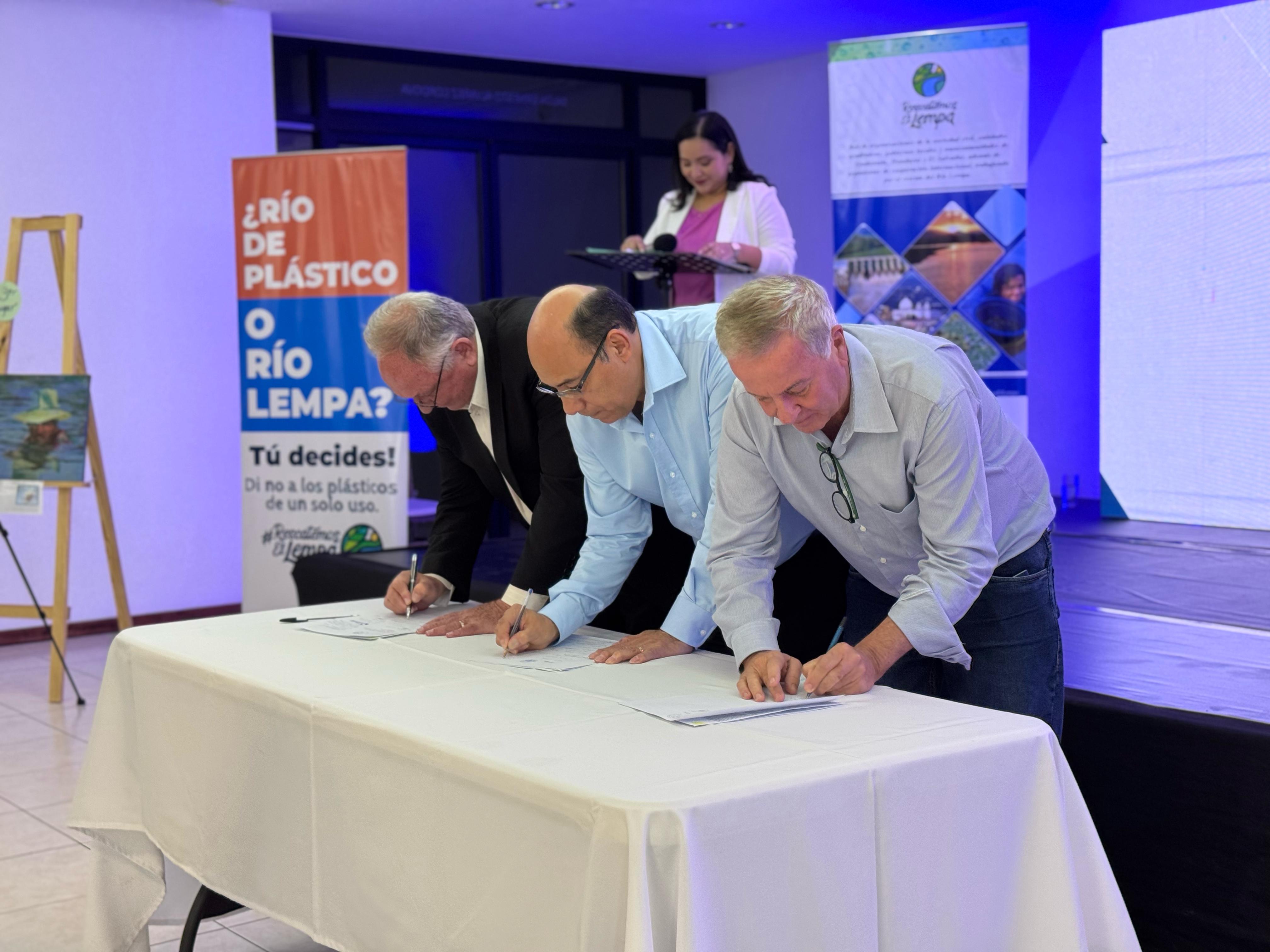
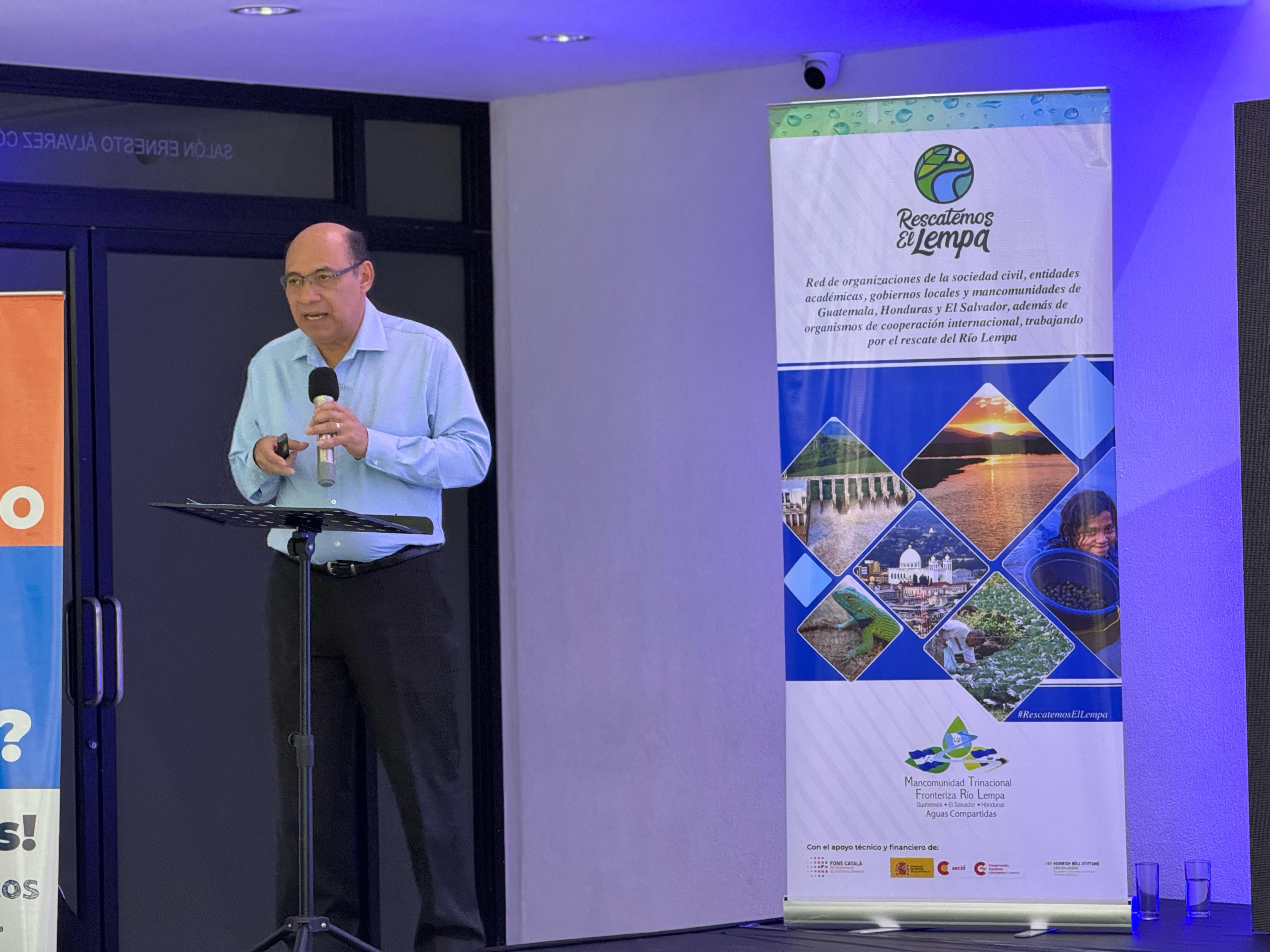
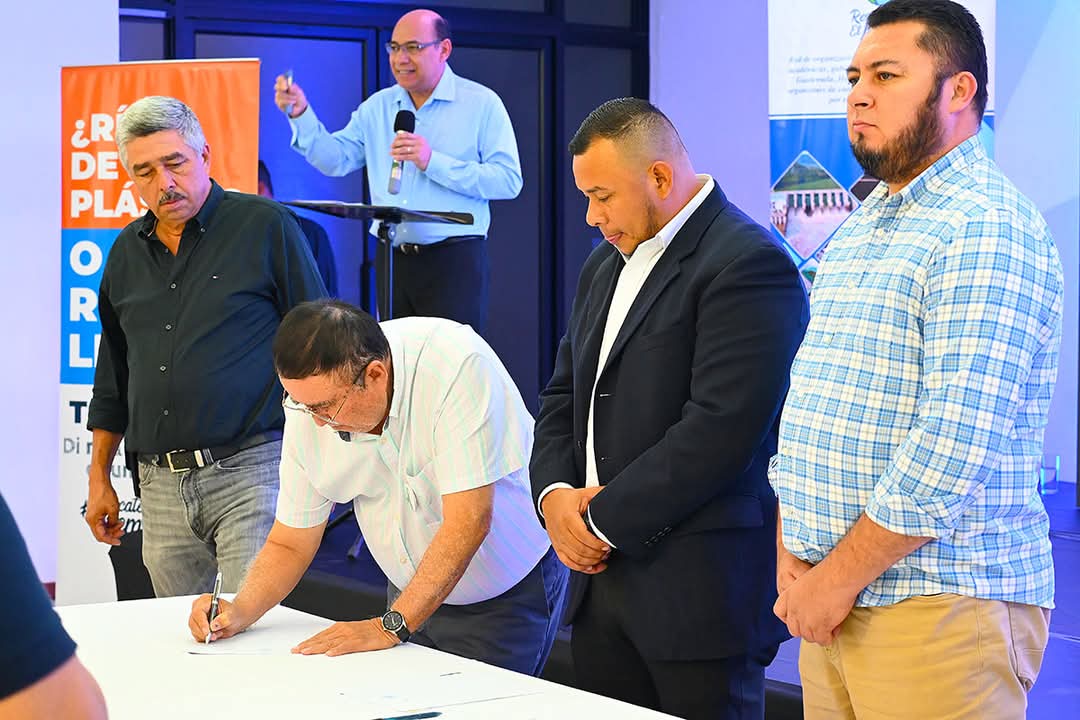
San Salvador, March 14, 2025 – In a significant event held at the San Salvador Art Museum, Lempa River Day was commemorated, highlighting the river's importance to the region and promoting the creation of sustainable solutions for its protection. The main activity of the day was the Roundtable for the Governance of the Lempa River Basin, which brought together experts, government authorities, representatives of civil society, and representatives of different religions to discuss and propose strategies for the responsible and efficient management of the river basin.
The event began with a series of conferences and round tables discussing the most pressing challenges facing the basin, such as pollution, water management, and climate change. Panelists emphasized the need for inclusive governance that integrates both the countries that share the river basin and local communities to ensure equitable and sustainable water management.
The Lempa River, which crosses El Salvador, Honduras, and Guatemala, is a vital resource for more than 6 million people, and its protection is essential to ensure the well-being of the communities that depend on it for their livelihoods and development. In this context, the working group provided a space for participants to share experiences and best practices on water resource management, promoting regional and local collaboration.
Throughout the day, creative proposals were also presented to raise awareness among the population about the importance of caring for this natural resource. One of the highlights was the presentation of a play that, through art, illustrated the deep connection between communities and the river, while highlighting the challenges facing the basin.
As part of the celebrations, several murals created by local artists were unveiled, visually capturing the symbolic and environmental relationship between the river and the region's inhabitants. The works, exhibited in the museum, invited attendees to reflect on the urgency of protecting the river as a natural and cultural heritage site.
Lempa River Day was presented as a call to action, a reminder that preserving the river is a shared responsibility. The event organizers, which included government institutions, environmental organizations, and the artistic community, highlighted the importance of continuing to work together to implement concrete policies and actions that ensure the health and sustainability of the basin.
“This day is an opportunity to reinforce everyone's commitment to caring for the Lempa River. Through dialogue and cooperation, we can face the challenges presented by the management of this valuable resource,” said one of the event organizers.
Lempa River Day 2025 was a clear example of how culture, art, and science can come together to raise awareness and promote actions that ensure the protection of our most precious natural resources.
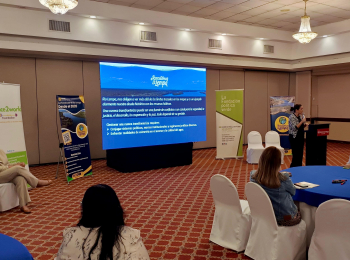
San Salvador, El Salvador – On Friday, December 6, 2024, the “National Dialogue on the Importance of National and International Legal Frameworks for the Protection of the Lempa River Basin” was held, organized by members of the Tri-national Network for the Rescue of the Lempa River, including the Tri-national Border Community of the Lempa River.
This event brought together representatives from governments, international cooperation agencies, academia, and civil society to develop concrete proposals to ensure the sustainability and resilience of one of the region's most important water sources.
The dialogue, held at the Best Western Plus Hotel, took place from 9:00 a.m. to 1:00 p.m. and provided an opportunity to analyze existing legal frameworks, identify gaps, and explore opportunities to strengthen the management of the Lempa River basin. The day began with a presentation by the “Rescatemos el Lempa” (Let's Save the Lempa) Network, followed by a presentation on the current situation of the basin by Héctor Aguirre, representative of the Tri-national Community.
A panel of experts moderated by Ingrid Hausinger of the Heinrich Böll Foundation provided key inputs for the discussion. Alejandro Iza, from the IUCN, presented an analysis of international frameworks, while Judge Samuel Lizama presented the draft national law. Dr. María Luisa Acosta, from the Center for Legal Assistance to Indigenous Peoples, complemented this with a perspective on the Regional Treaty on Transboundary Aquifers.
The event's methodology included sectoral thematic roundtables that fostered the exchange of perspectives between governments, international cooperation agencies, academia, and civil society. These roundtables worked on prioritizing challenges and opportunities, generating consensus and concrete commitments to strengthen the protection of the basin.
The event closed with an artistic presentation by Carlos Córdova, whose performance, “La Agonía del Lempa” (The Agony of the Lempa), symbolized the challenges facing the basin and deeply moved the audience.
Organized as a joint effort by the members of the Tri-national Network for the Rescue of the Lempa River, this dialogue reaffirms the commitment to work on public policies and legal instruments that ensure the conservation and sustainable management of the basin, which is vital for El Salvador, Guatemala, and Honduras.
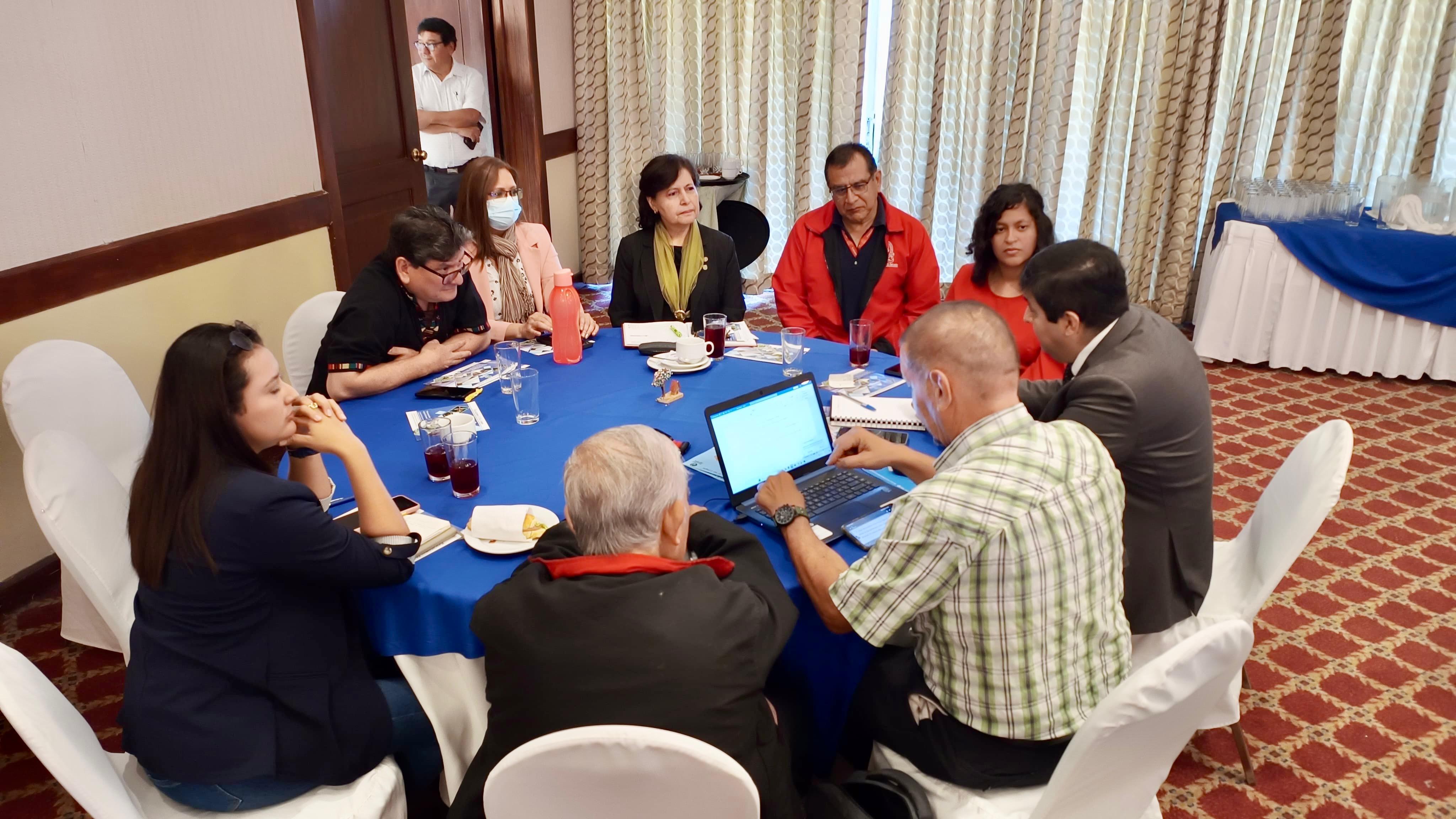
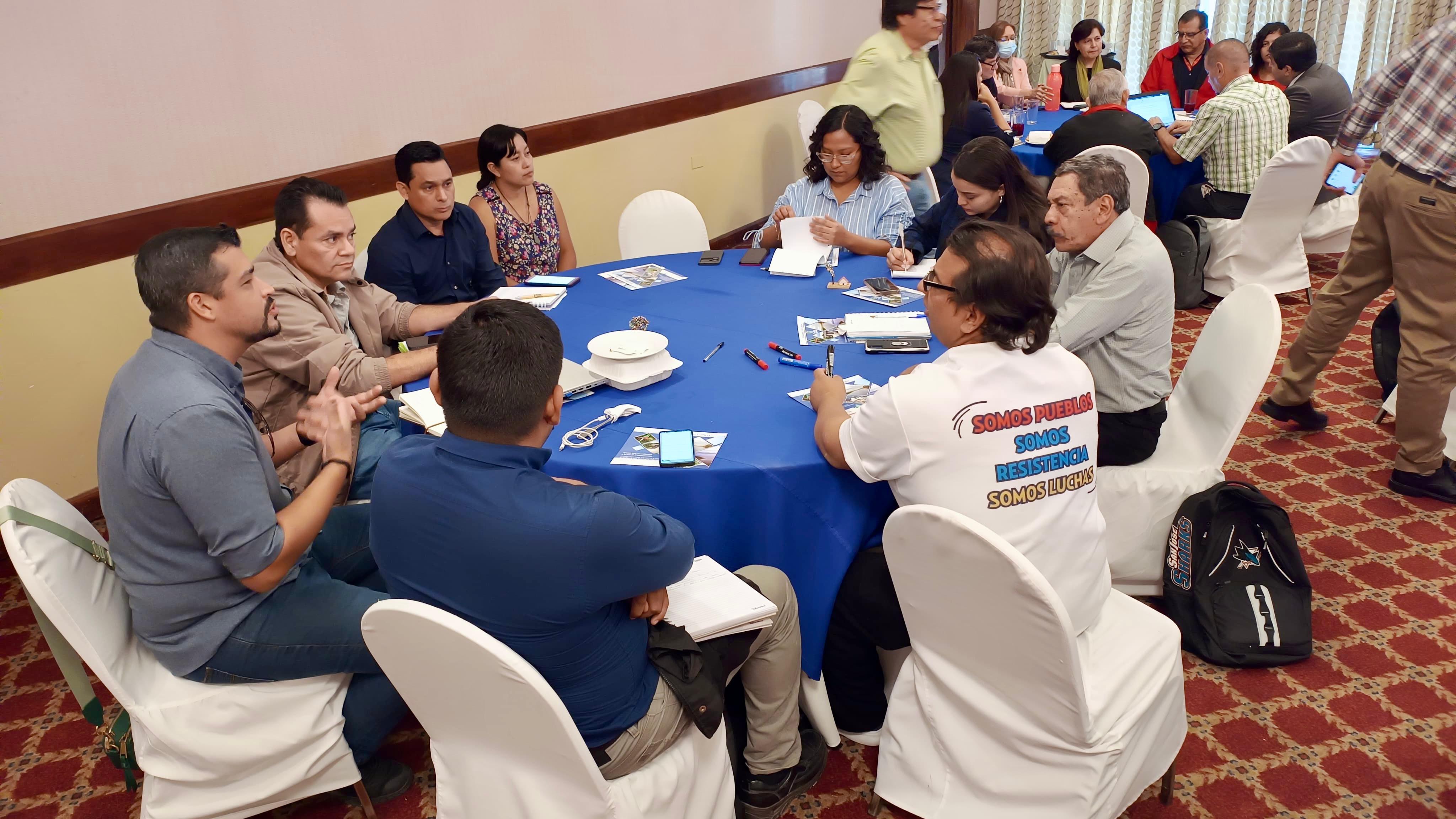
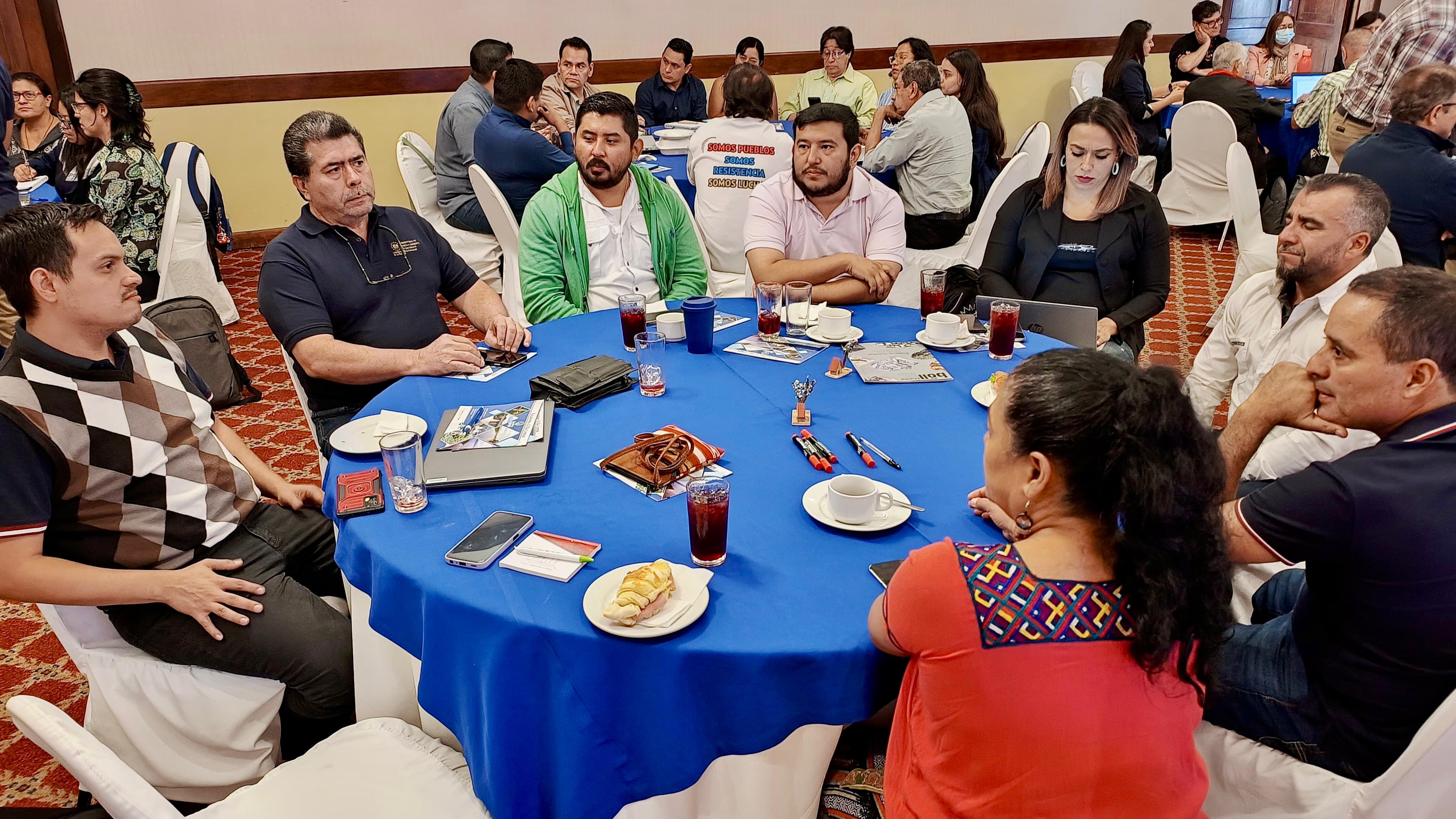
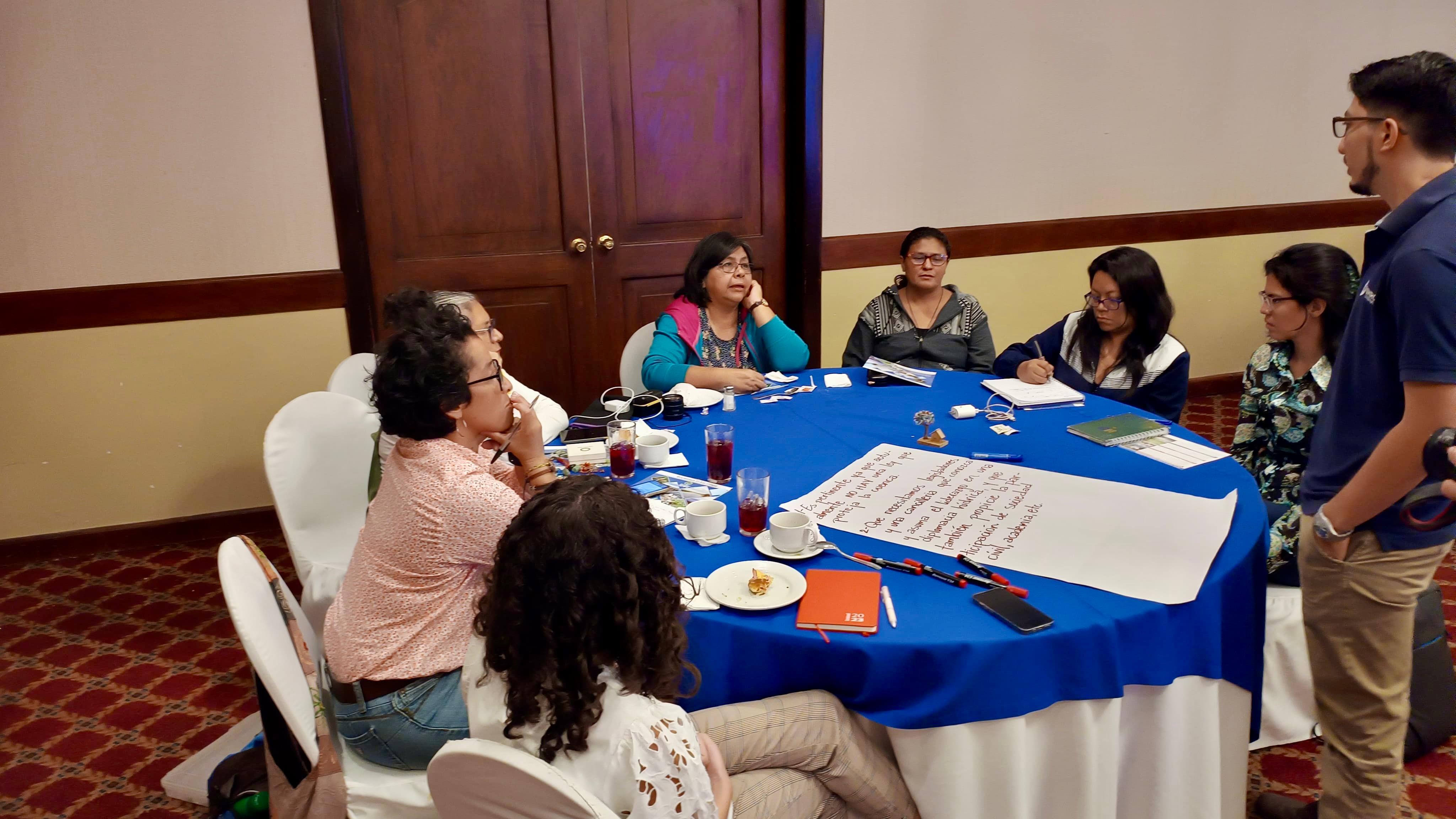
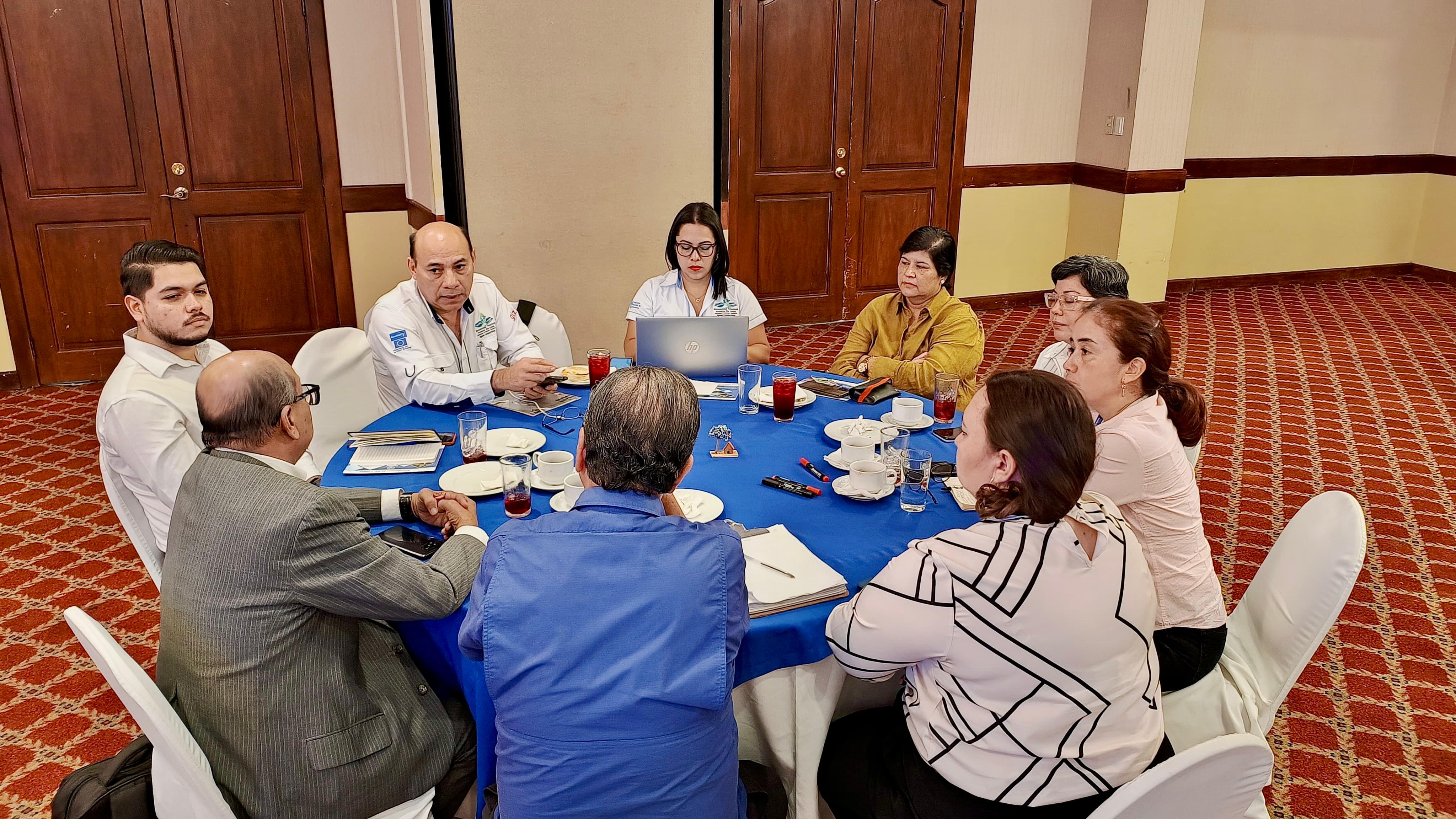
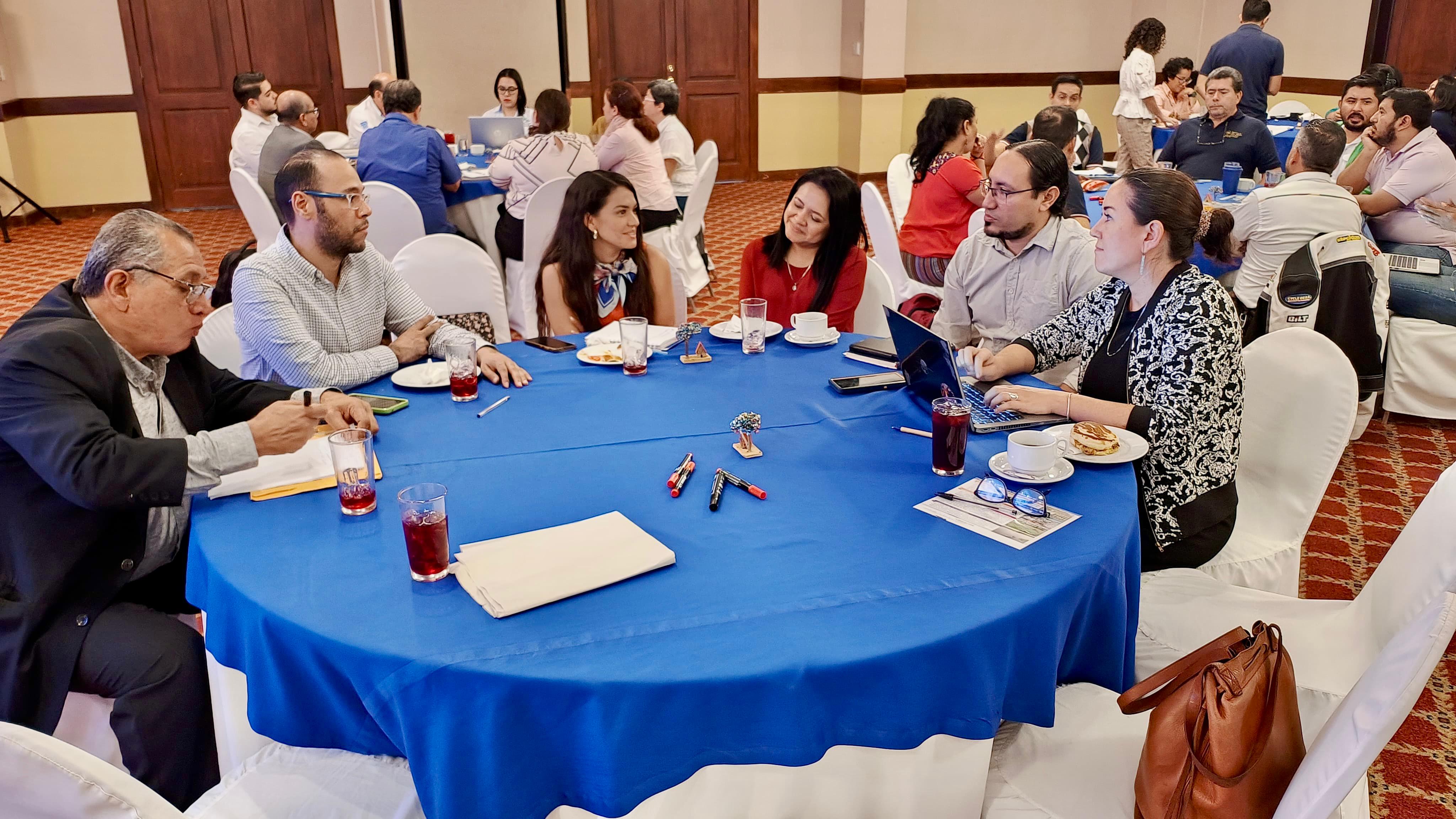
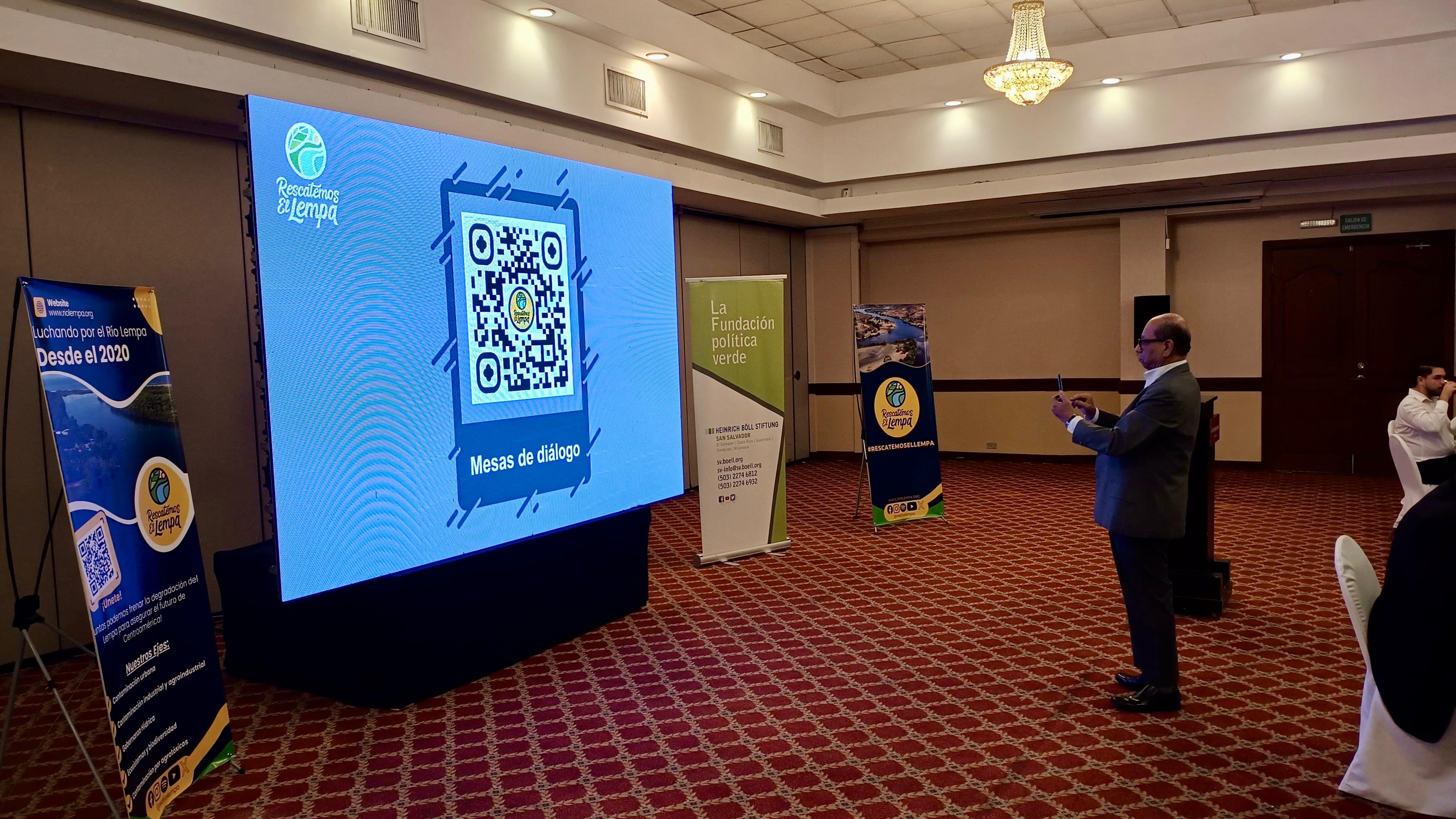
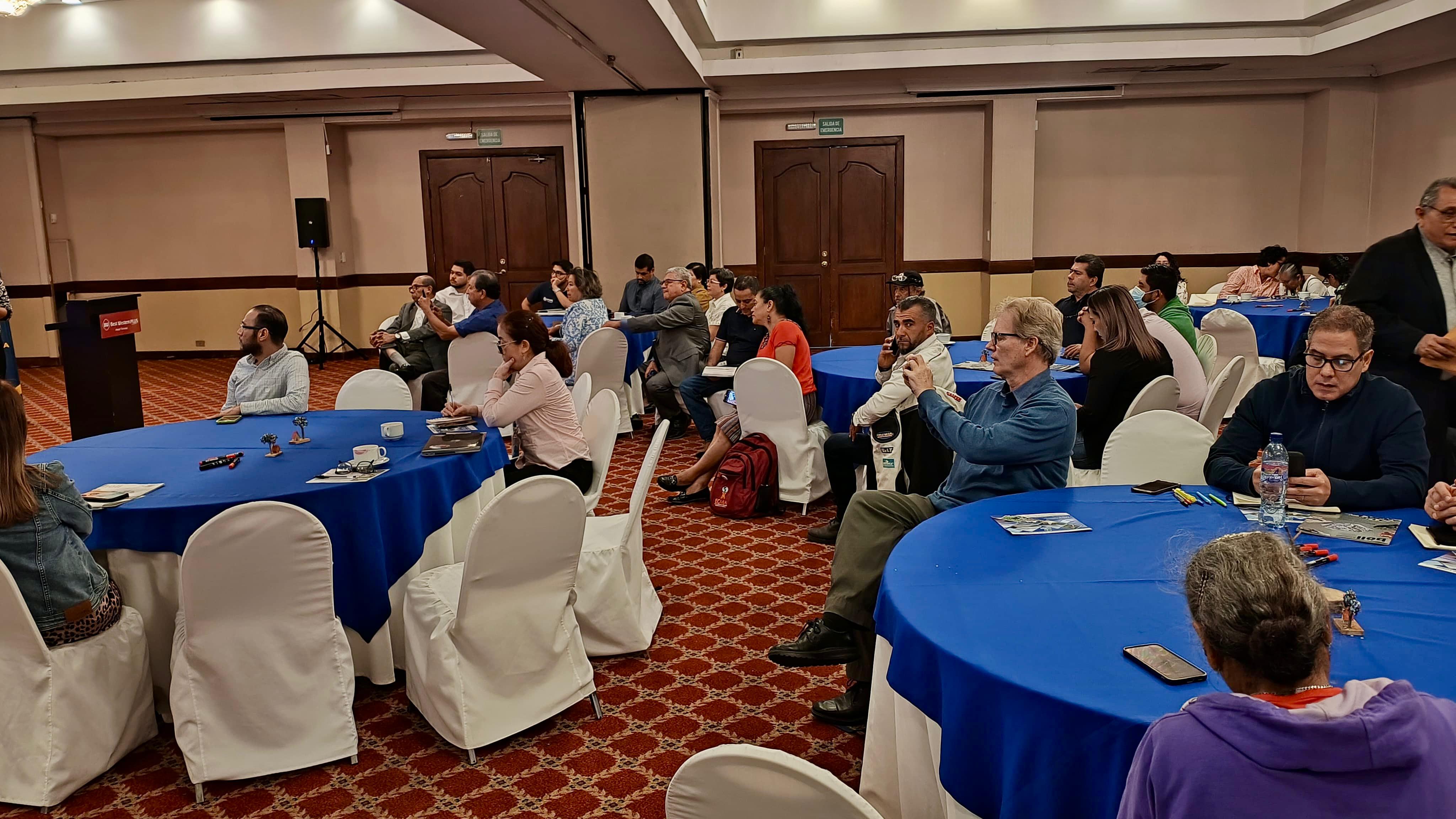
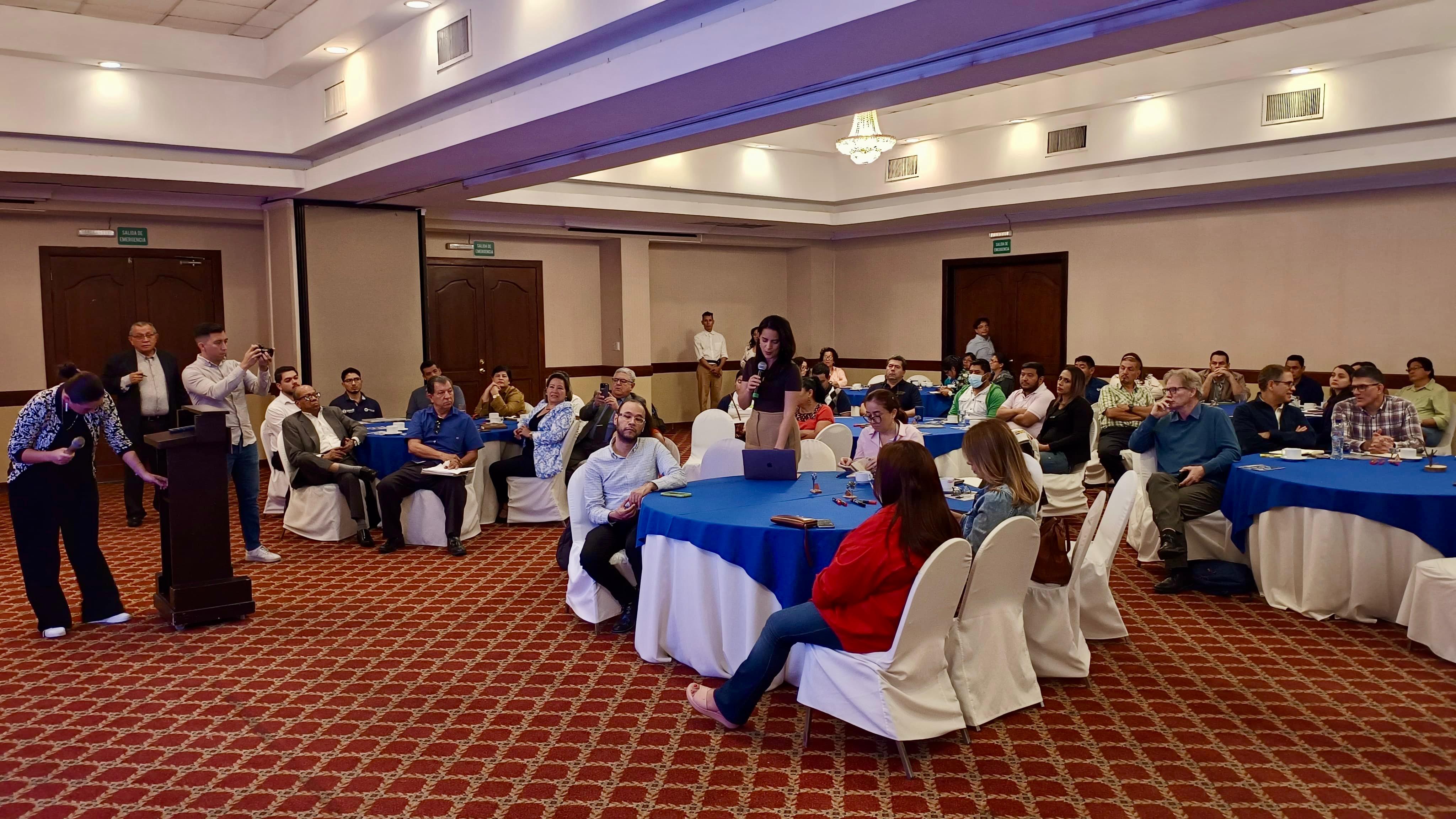
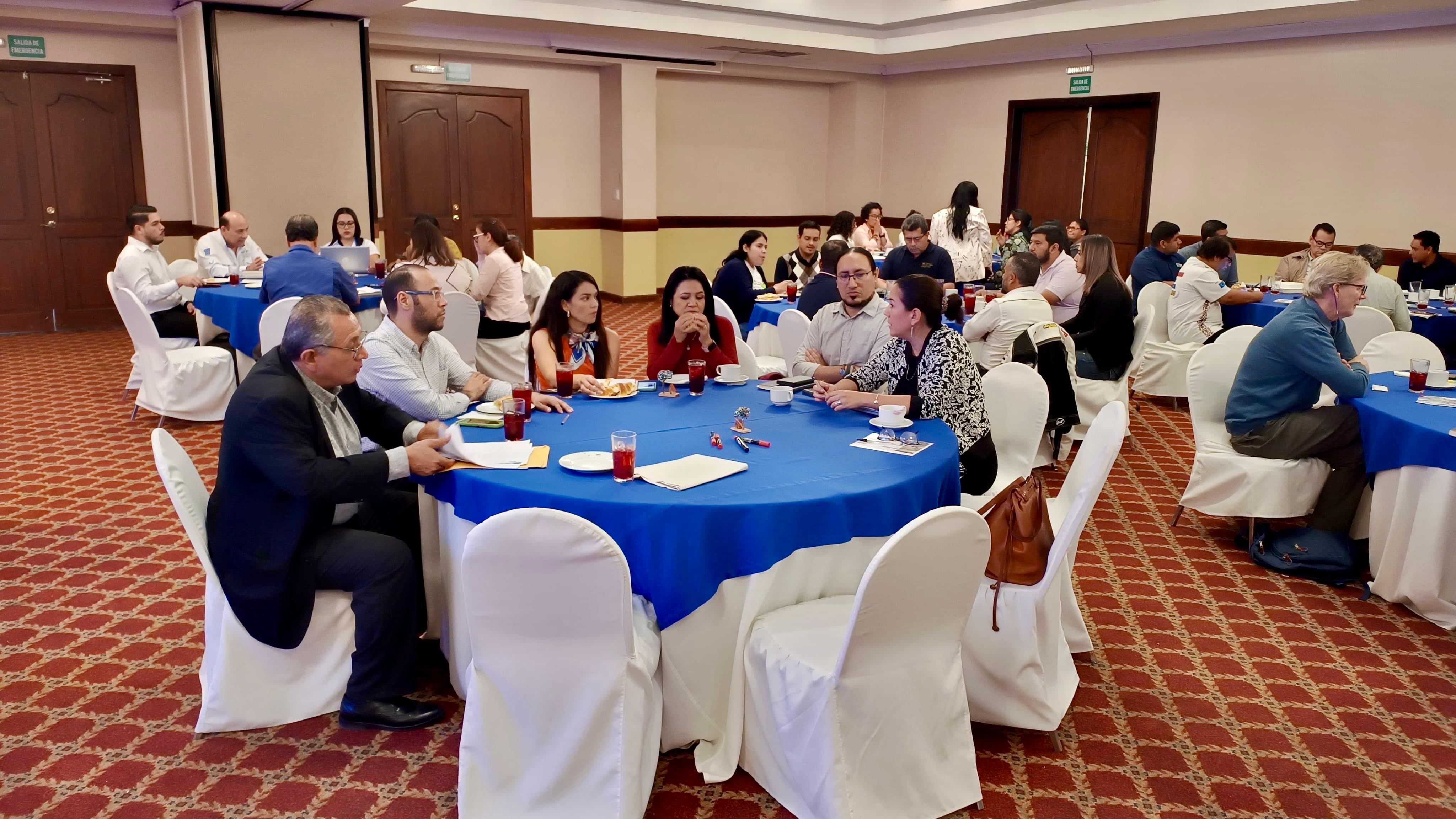
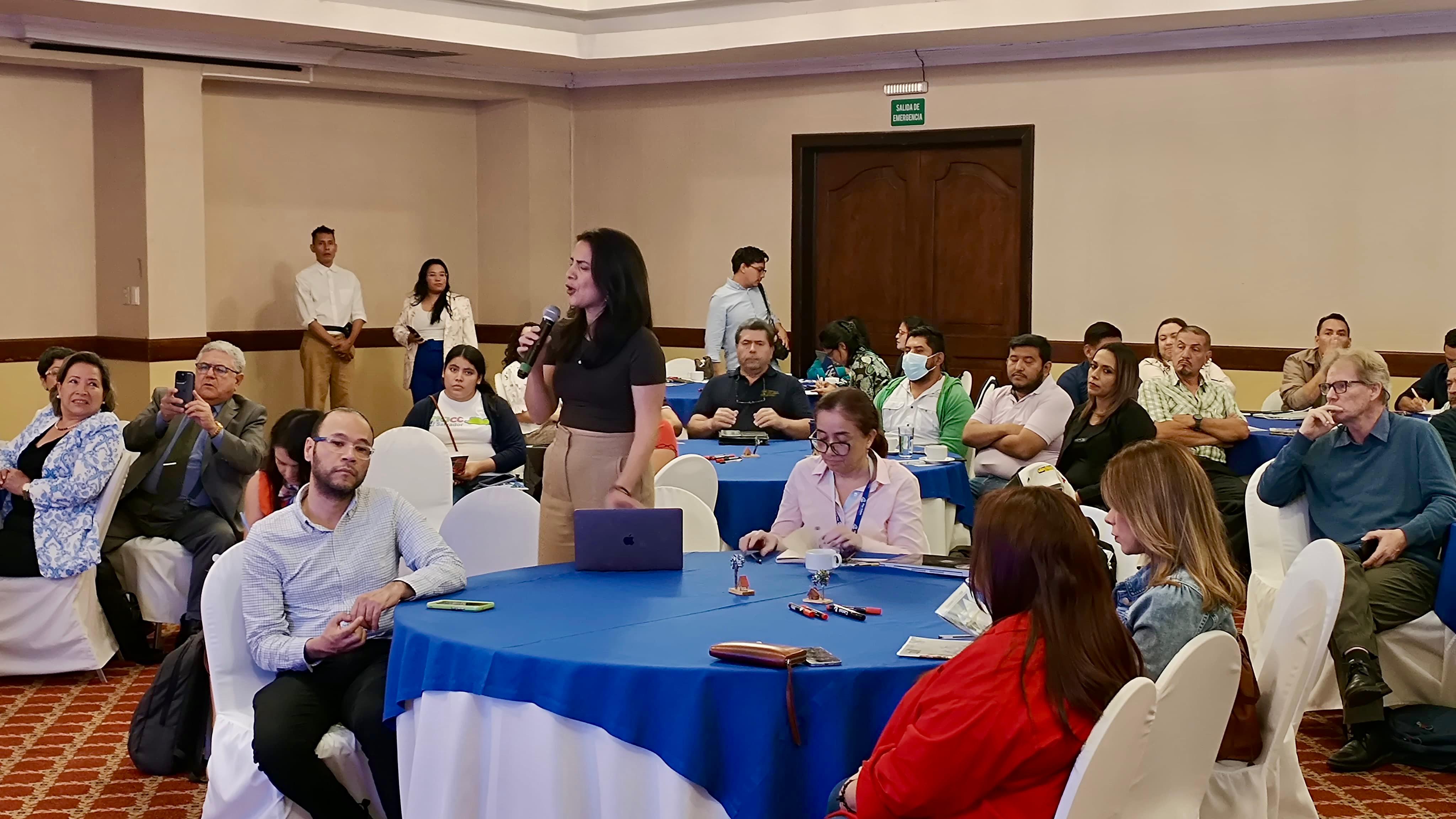
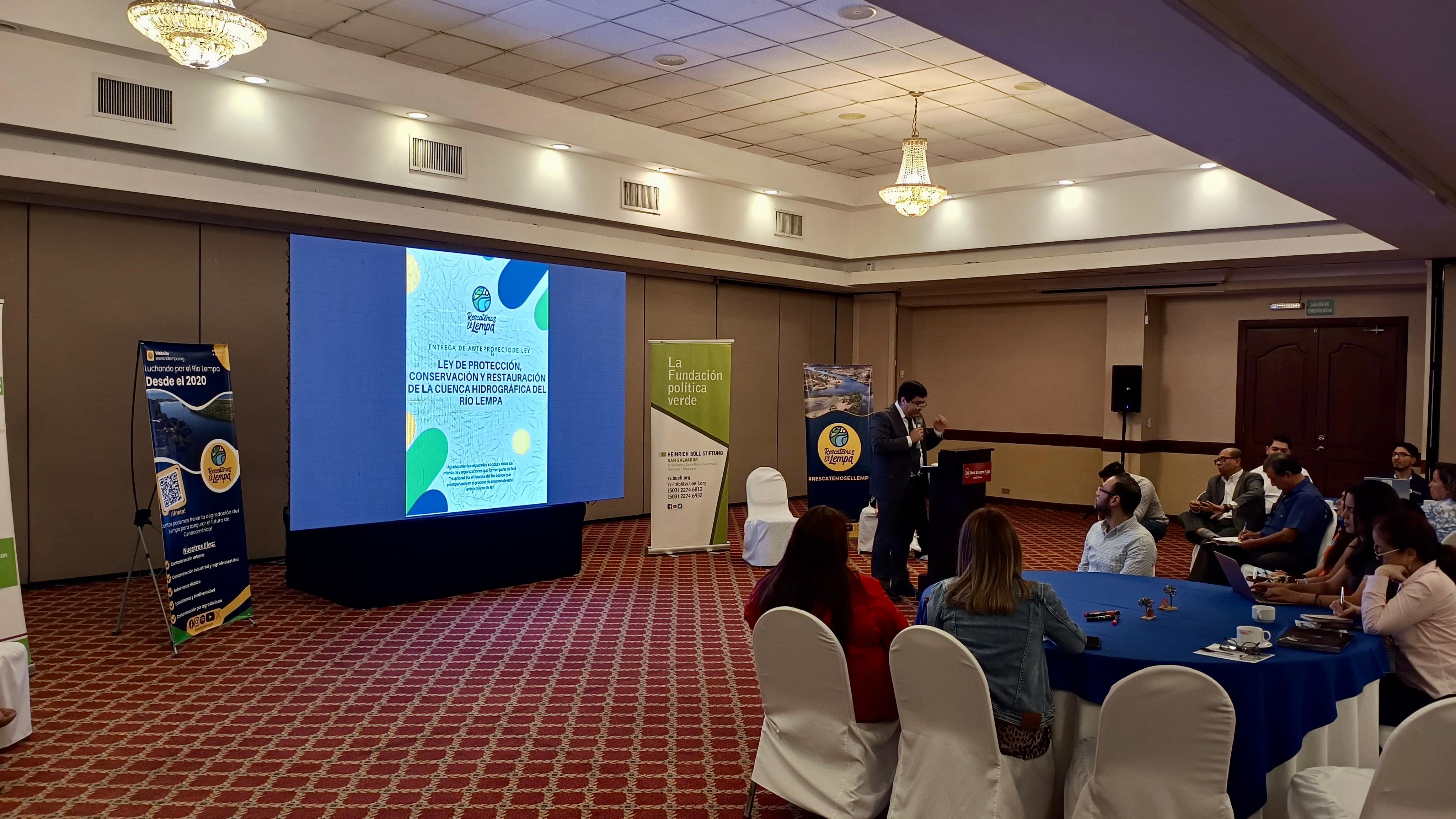
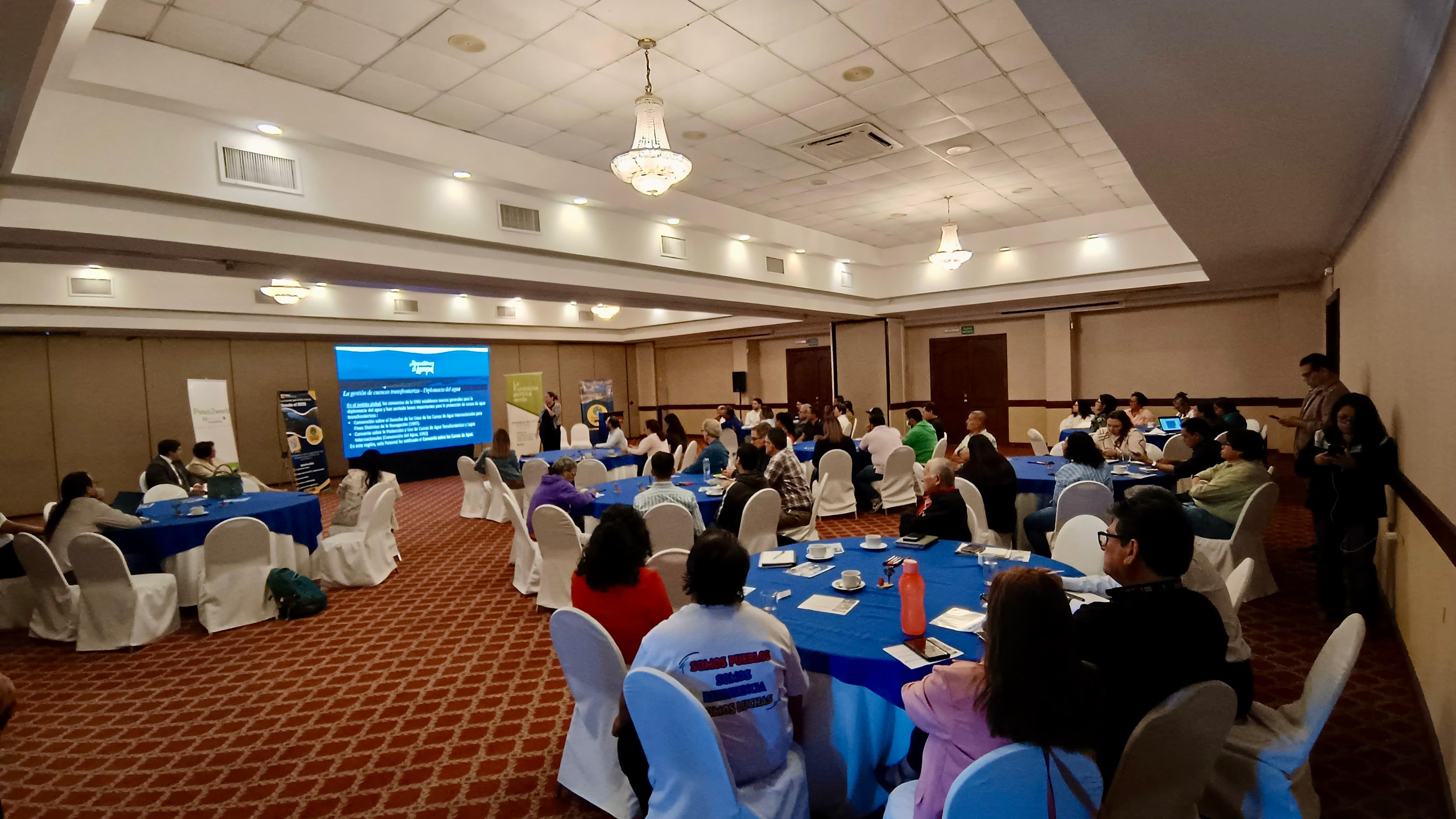
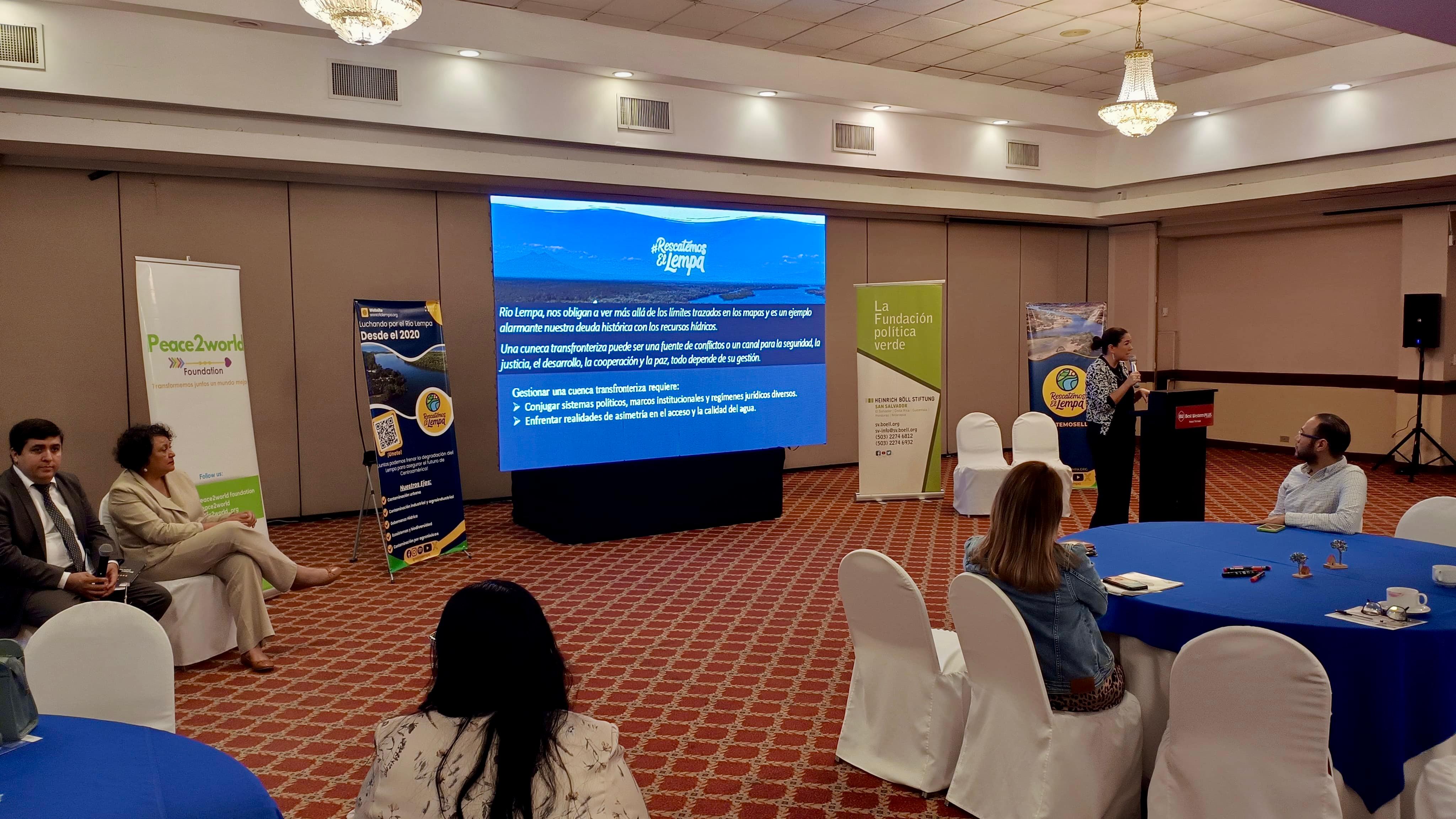
On Friday, November 15, the Tri-national Border Community of the Lempa River held a successful breakfast conference in Los Cebollines, San Salvador, El Salvador, with the aim of presenting the position of the Tri-national Network for the Rescue of the Lempa River to the Lempa River Conservation and Restoration Program, derived from the debt conversion between El Salvador and the United States for water conservation.
During the event, an urgent call was made to the media, government representatives, and key actors to promote a special law that guarantees the protection, conservation, and restoration of the Lempa River, one of the main sources of water in the region. This effort seeks to ensure compliance with the environmental commitments of the Salvadoran State and promote inclusive trinational governance.
We are especially grateful to the media outlets that were present at the conference and that, through their coverage, amplified the message about the importance of protecting the Lempa River. Their commitment to reporting is key to raising awareness and inspiring action.
Let's join the change!
The Lempa River needs our commitment. We continue to work together for a sustainable future.
#RescueTheLempa #Tri-NationalCommunity #UnitedForTheLempa 🌎
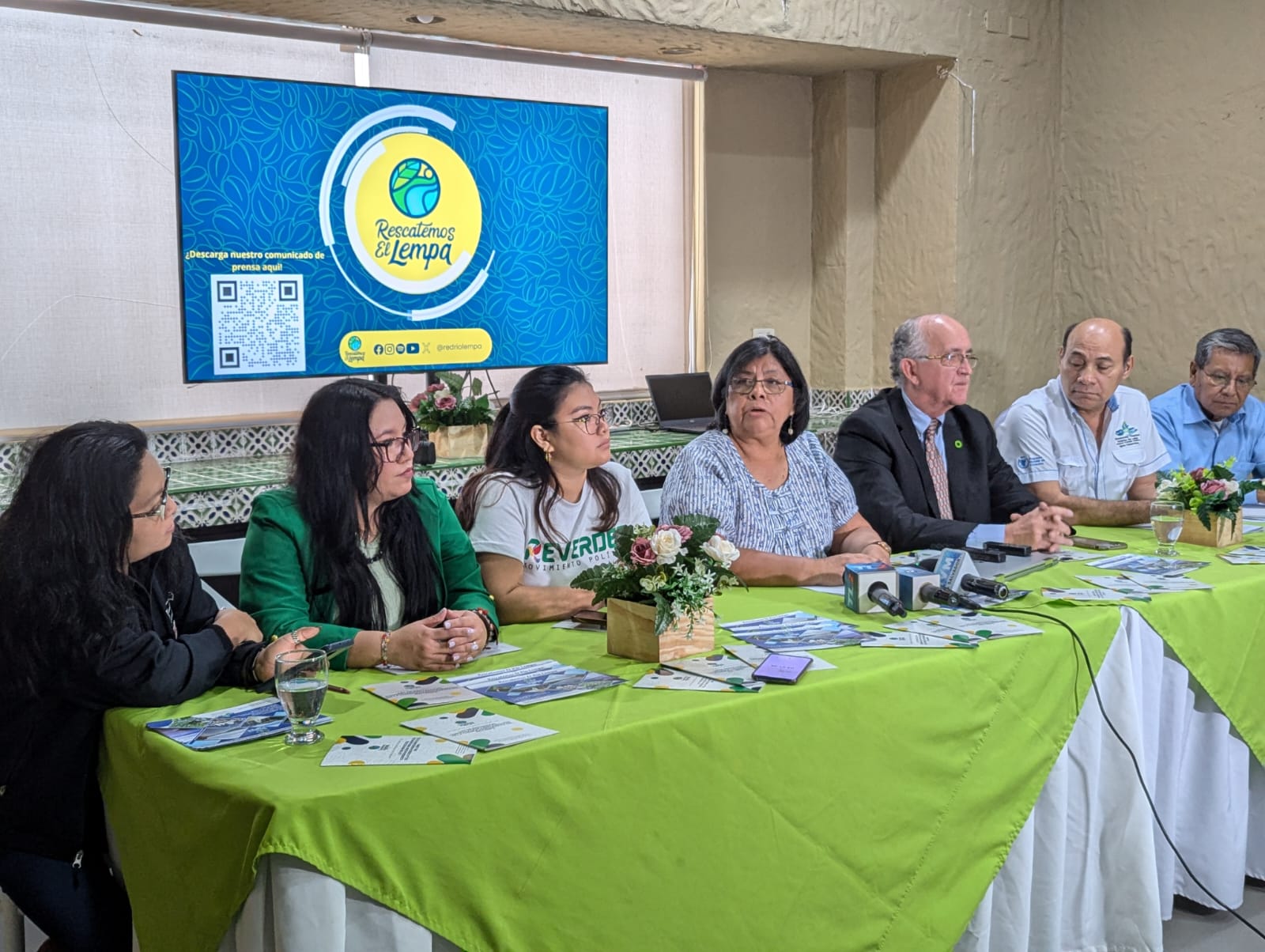
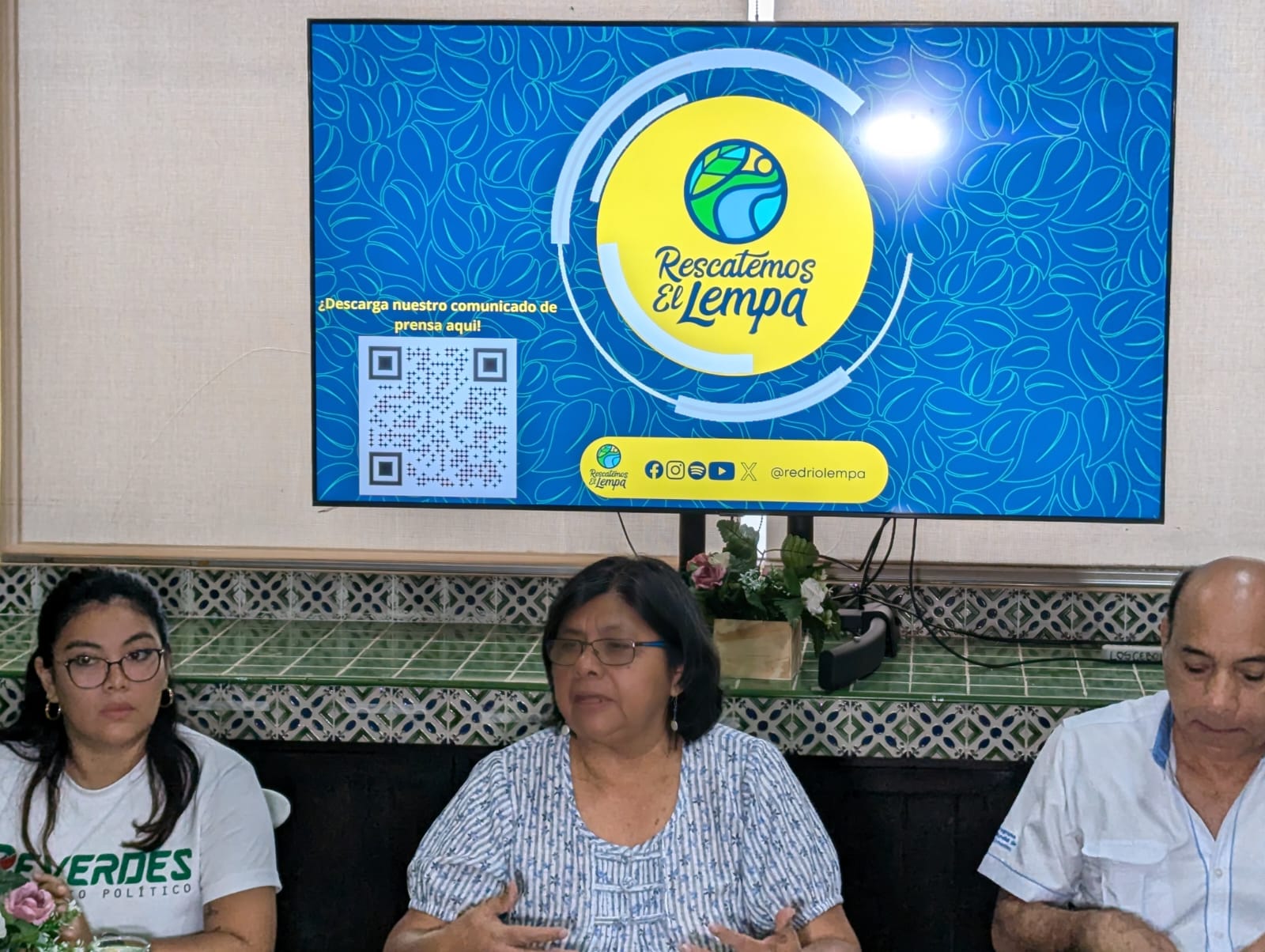
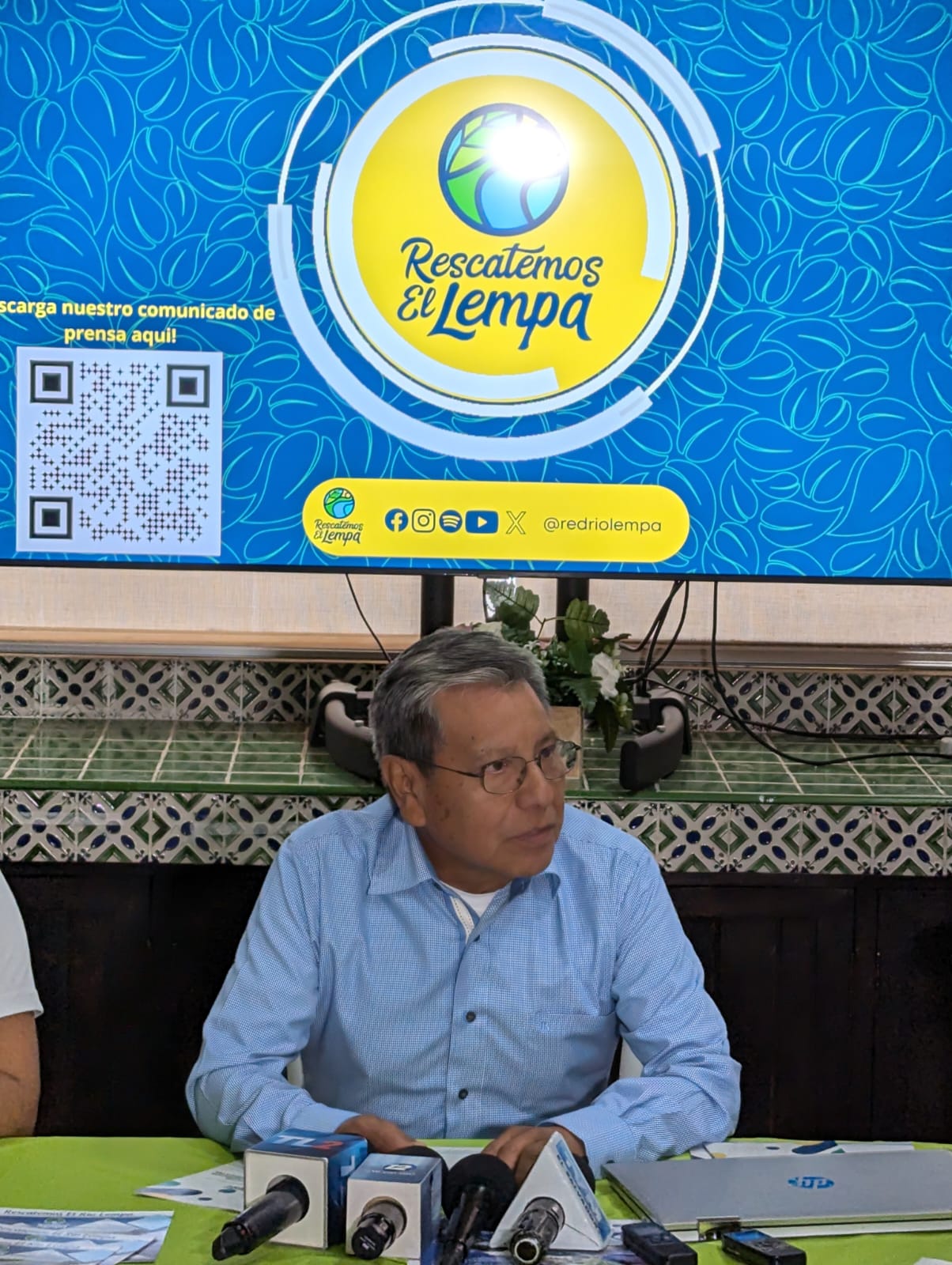
On Friday, September 15, 2024, the Tri-National Network for the Rescue of the Lempa River held a press conference in Cebollines, El Salvador, attended by more than 14 television and radio media outlets.
The Tri-National Network congratulated the Government of El Salvador on the agreement reached between El Salvador and the United States, whose main objective is to promote the debt swap program for the conservation and restoration of the Lempa River.
The agreement will make it possible to obtain $352 million, which will be allocated to the Lempa River Conservation and Restoration Program over the next 20 years.
In addition, the Tri-national Network emphasized the importance of promoting dialogue with society and civil society organizations, and took the opportunity to make available to the Government of El Salvador the tools and technical resources that the Tri-national Network has at its disposal, as well as the draft proposal for a “Law for the Protection, Conservation, and Restoration of the Lempa River Watershed.”
The draft bill seeks to provide a legal framework that protects and guarantees the conservation of the Lempa River, a water body of great importance.
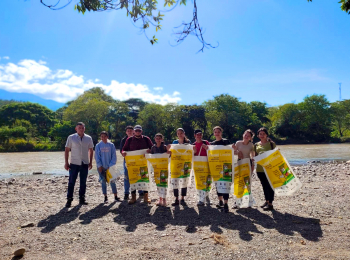
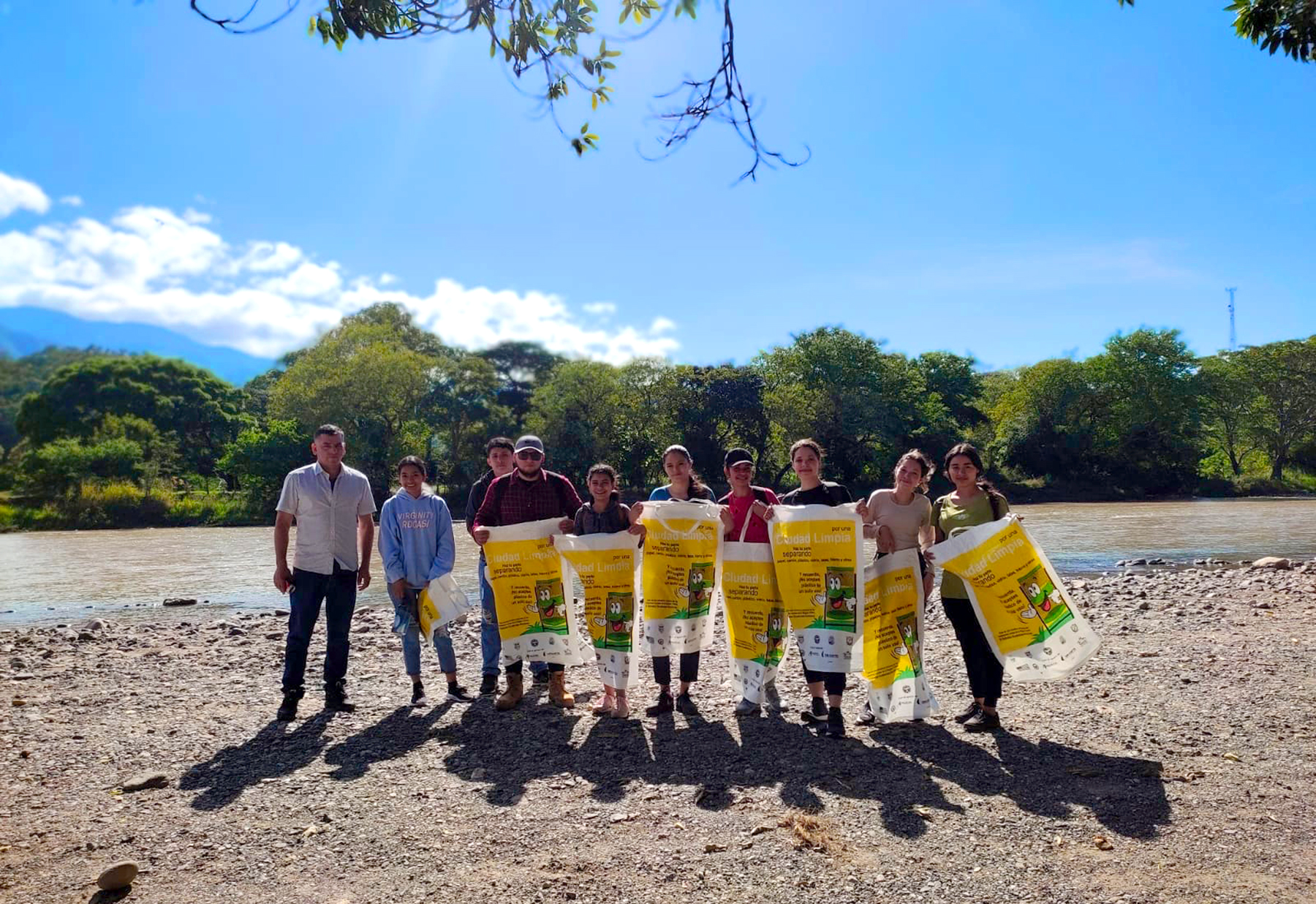
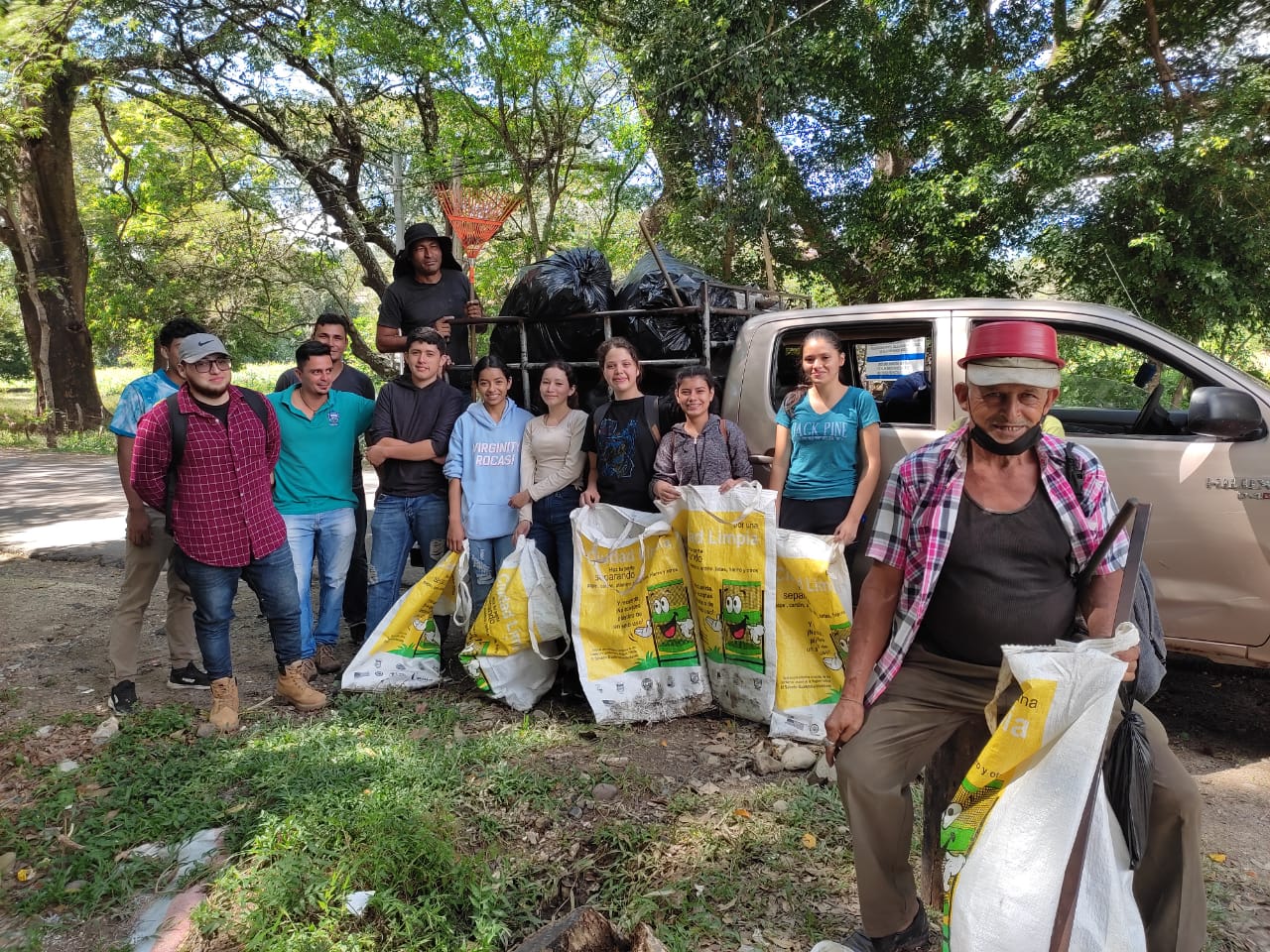
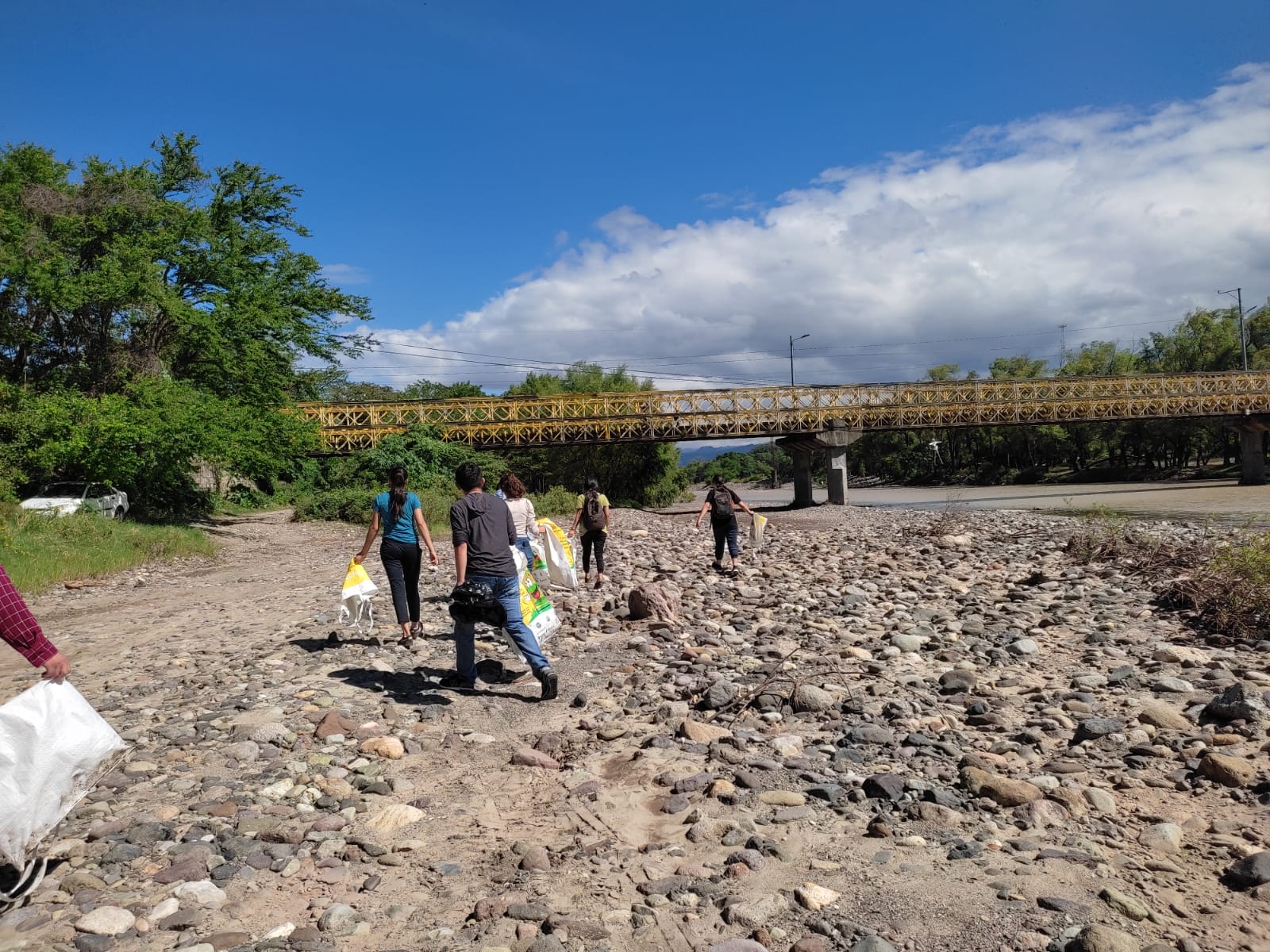
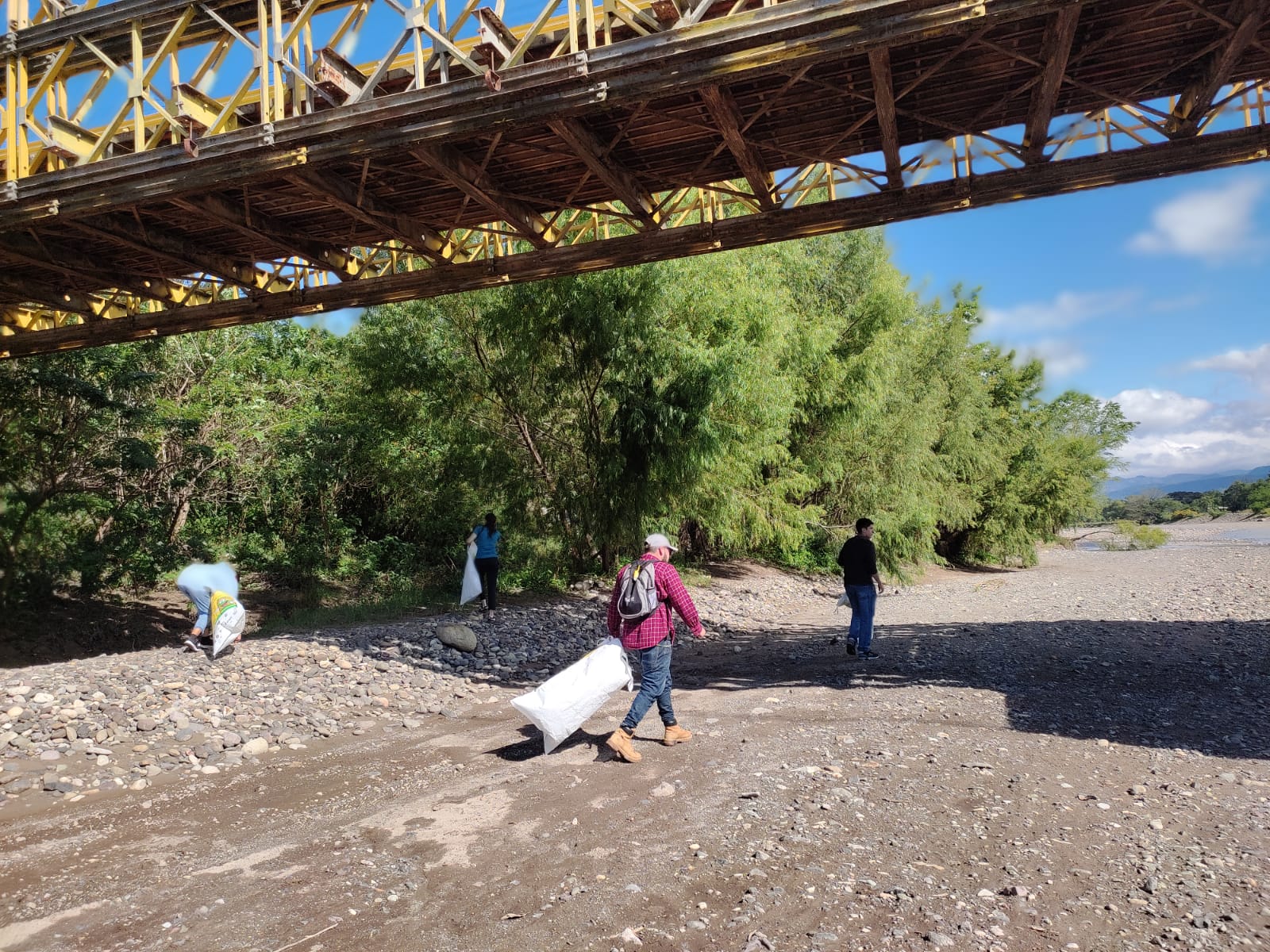
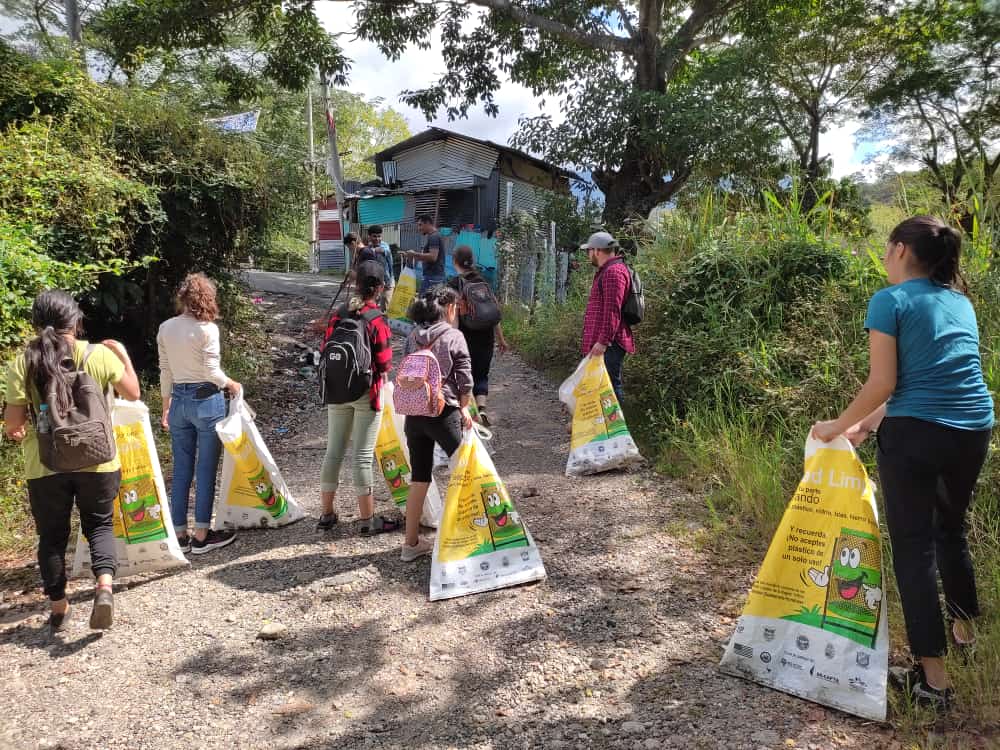
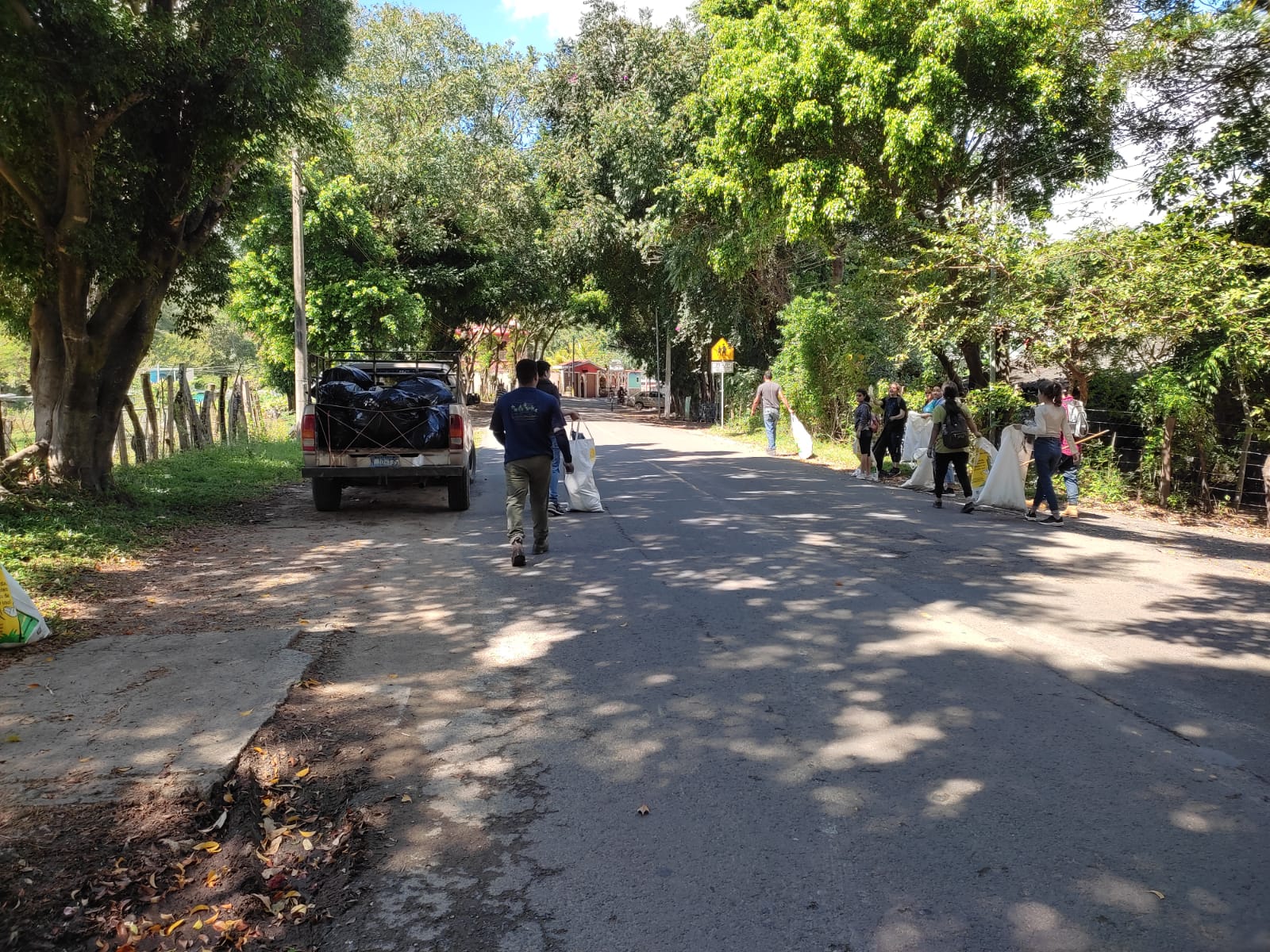
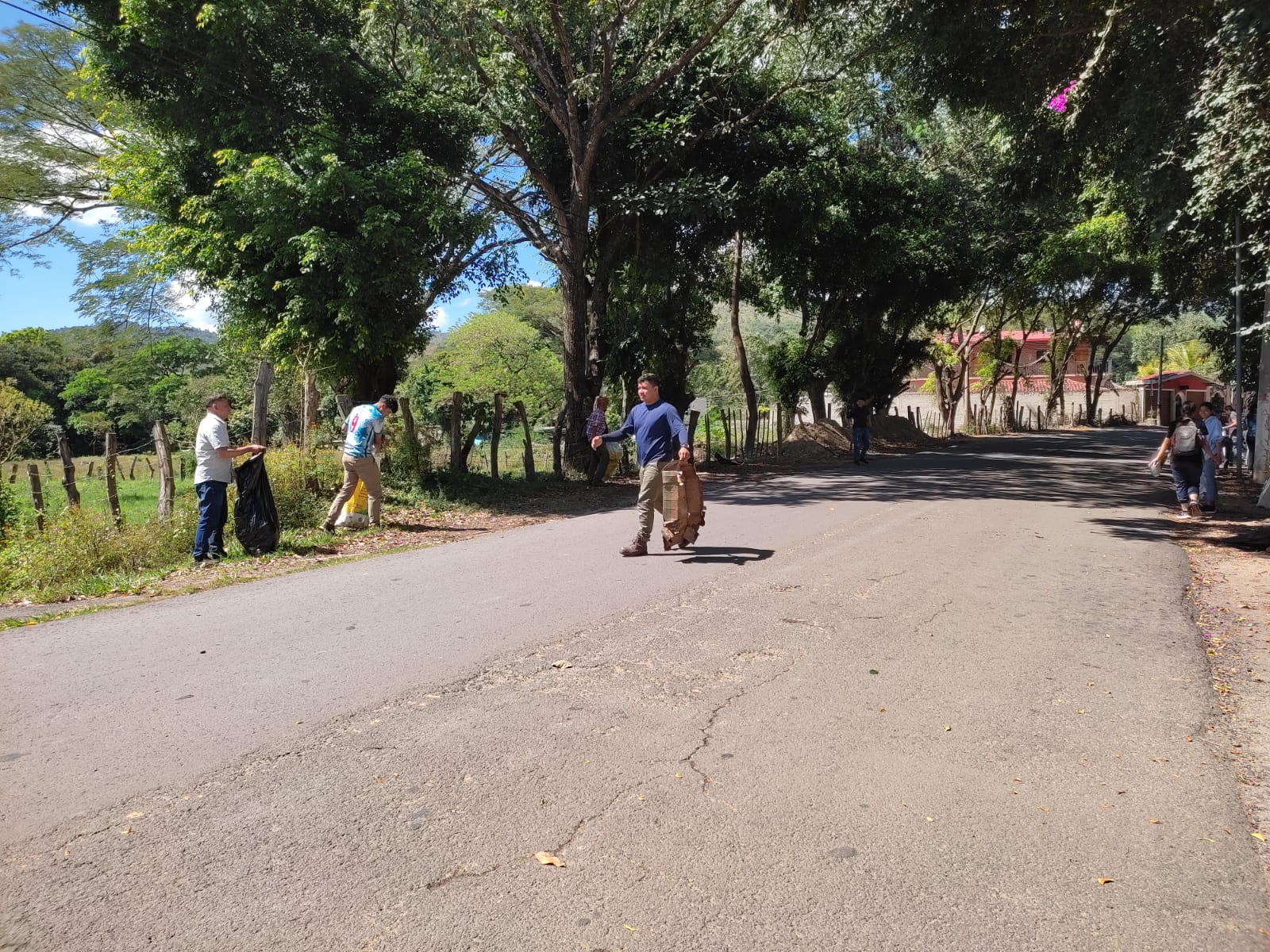
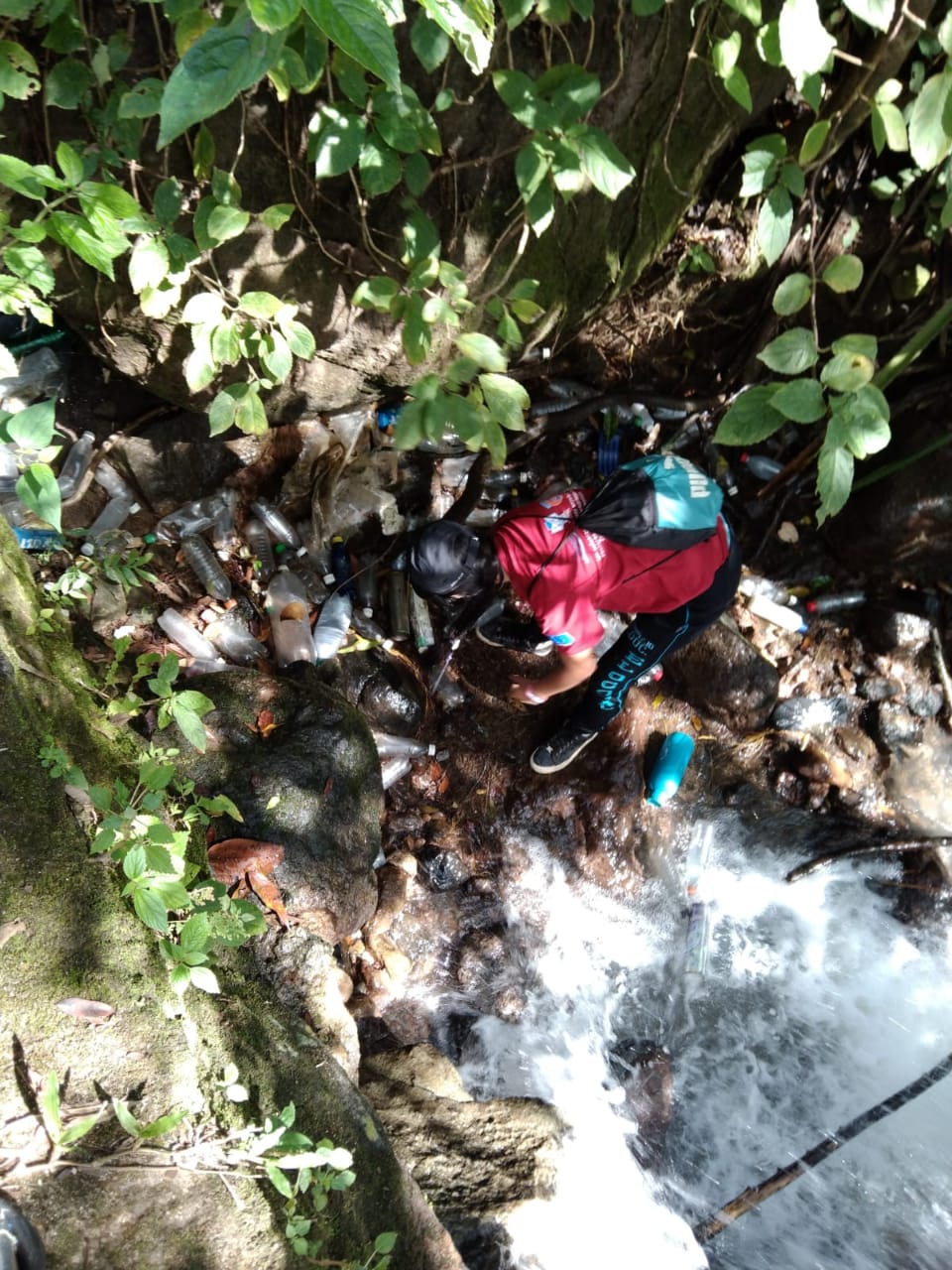
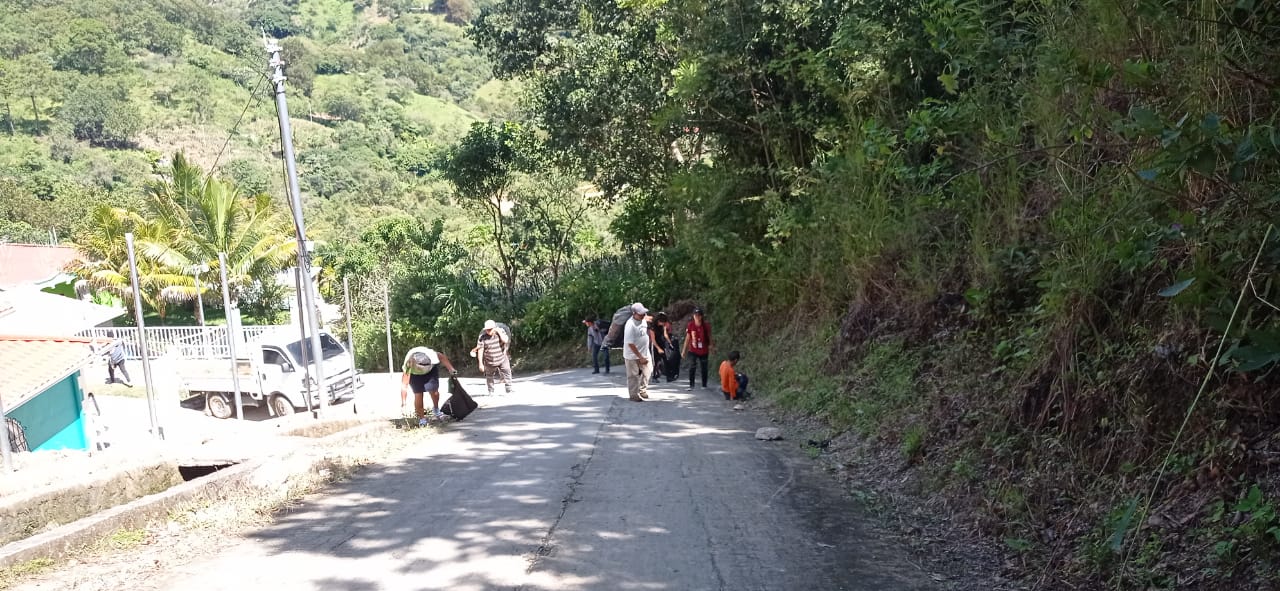
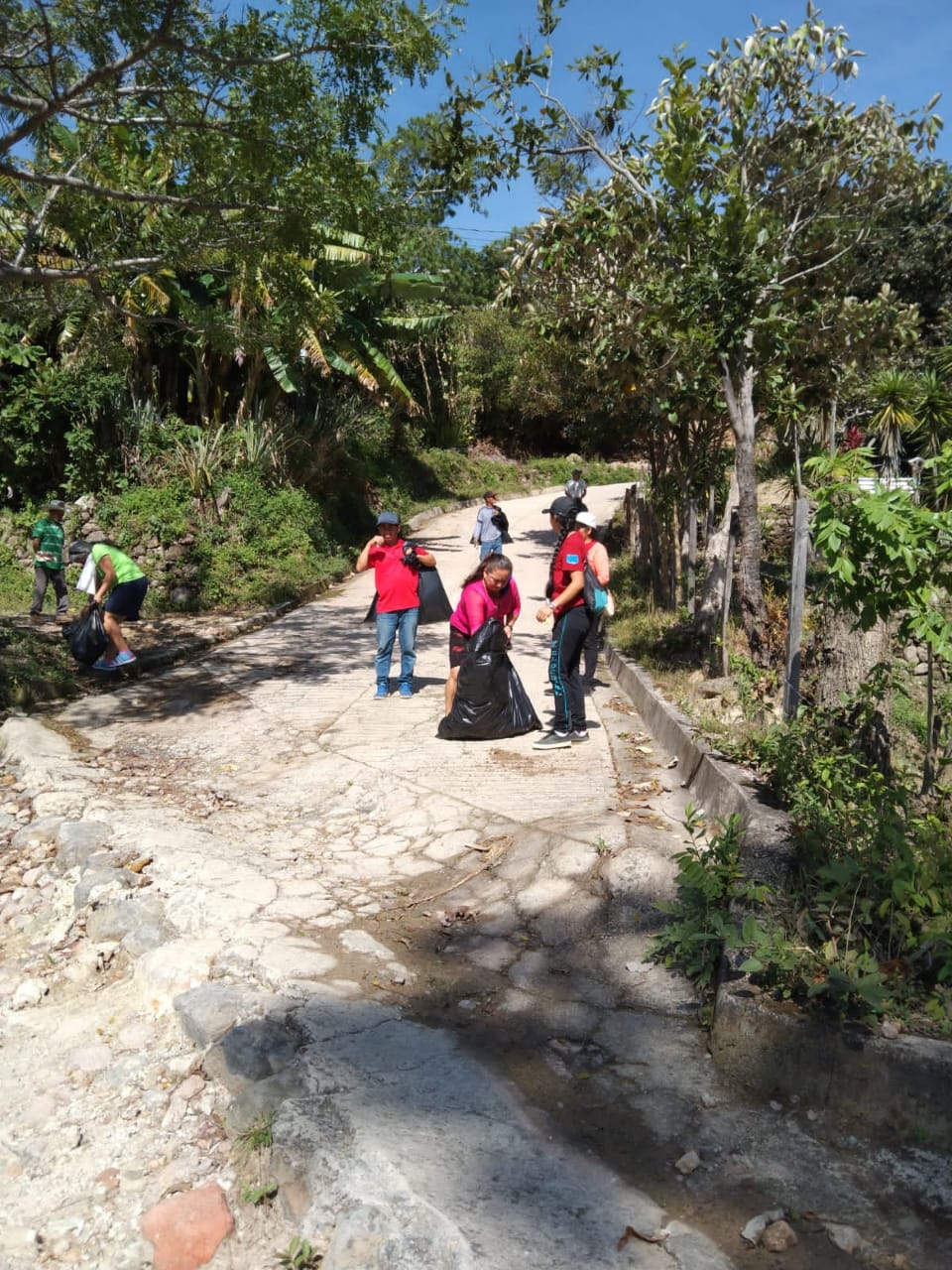
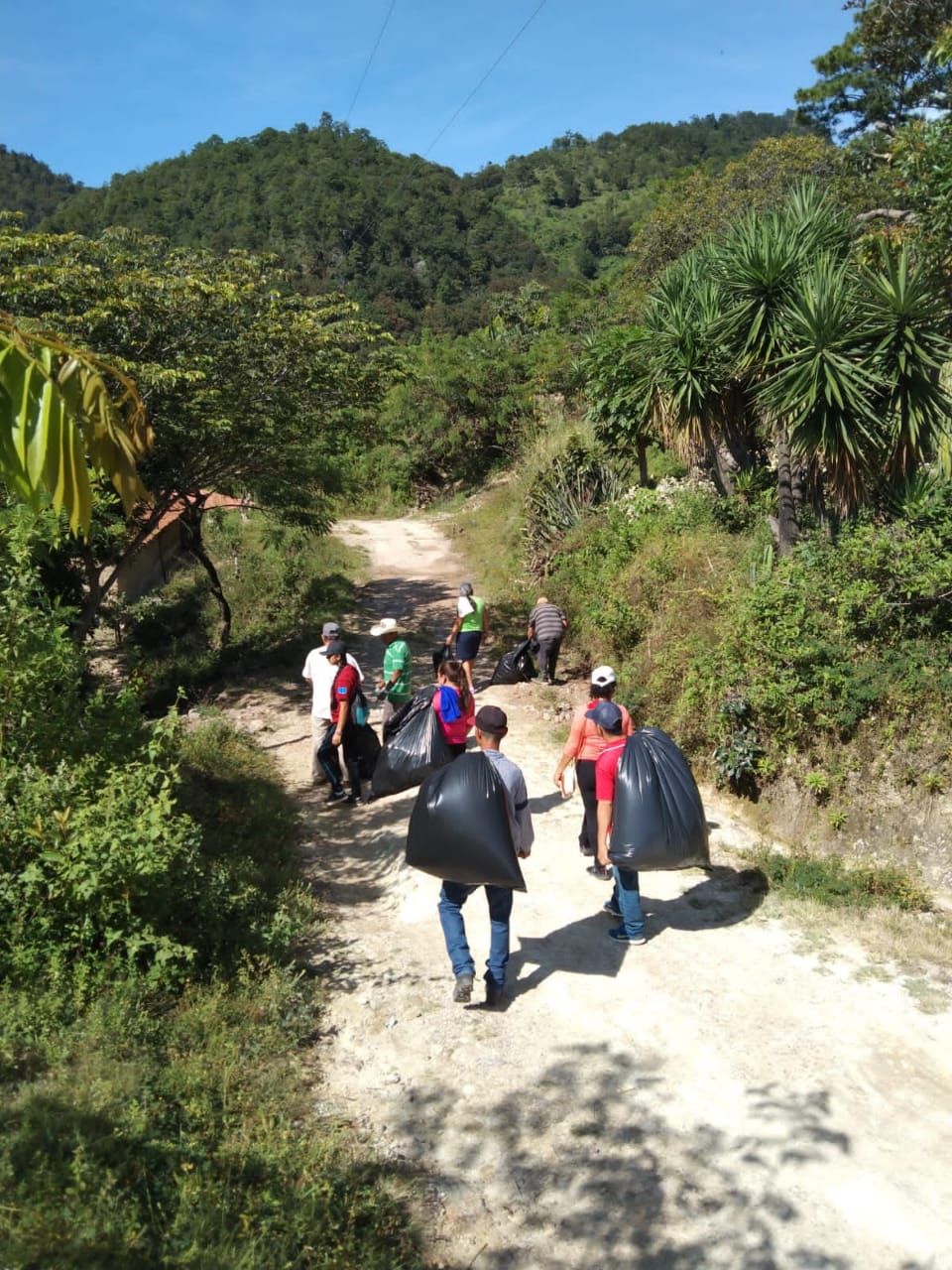
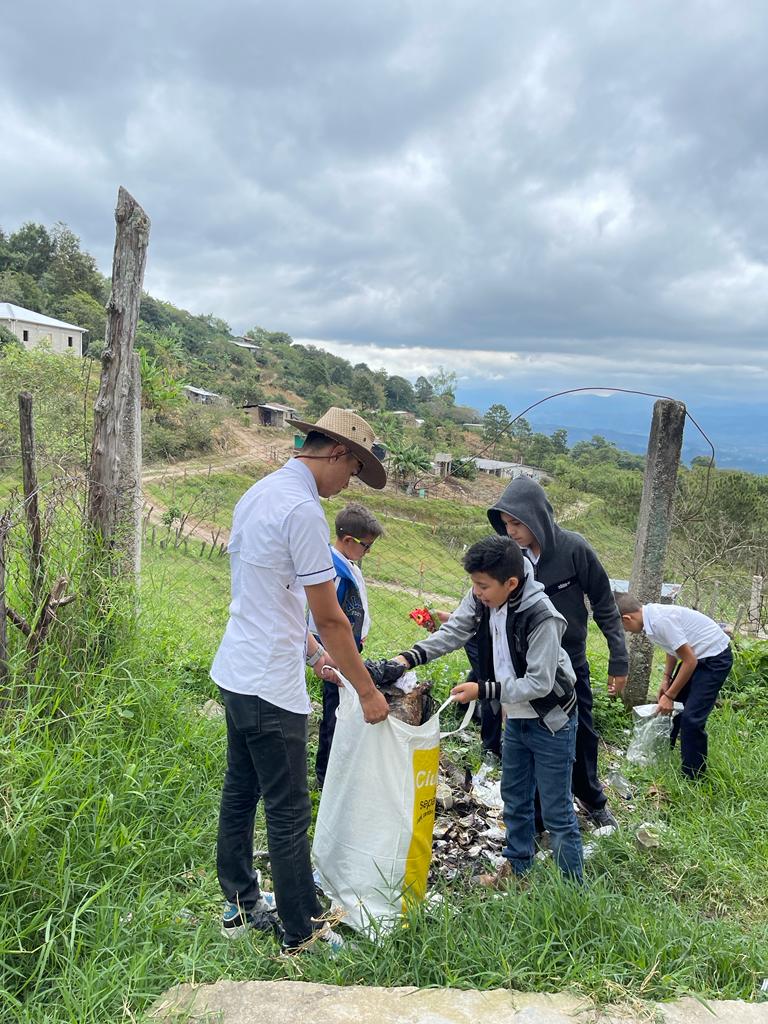
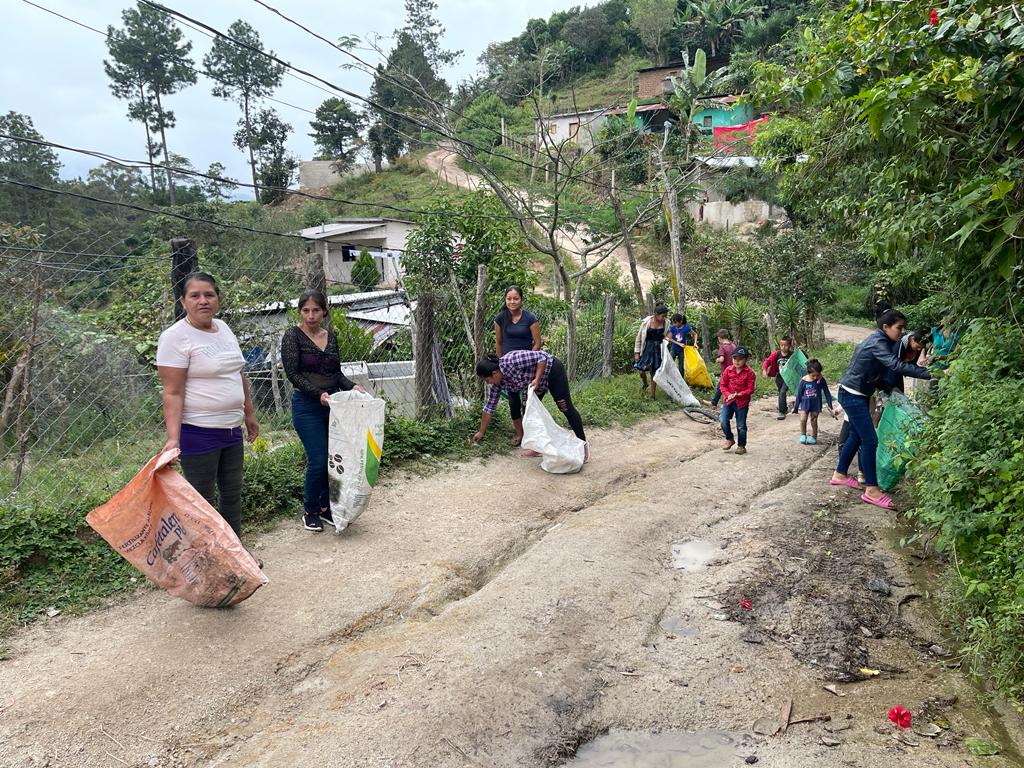
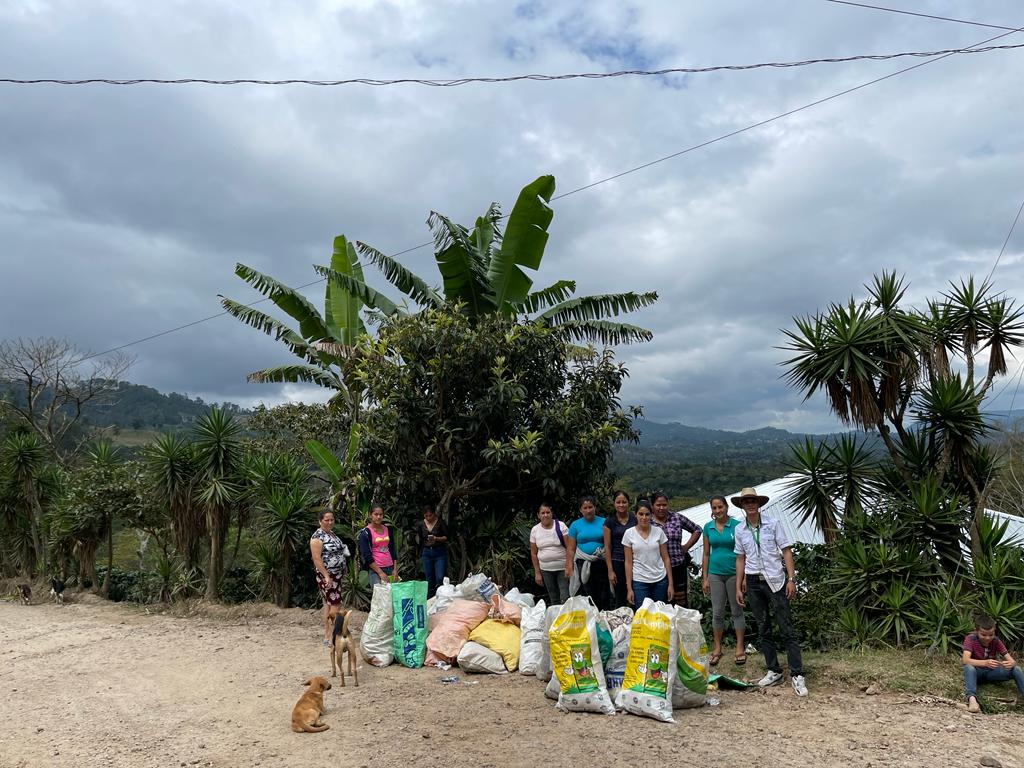
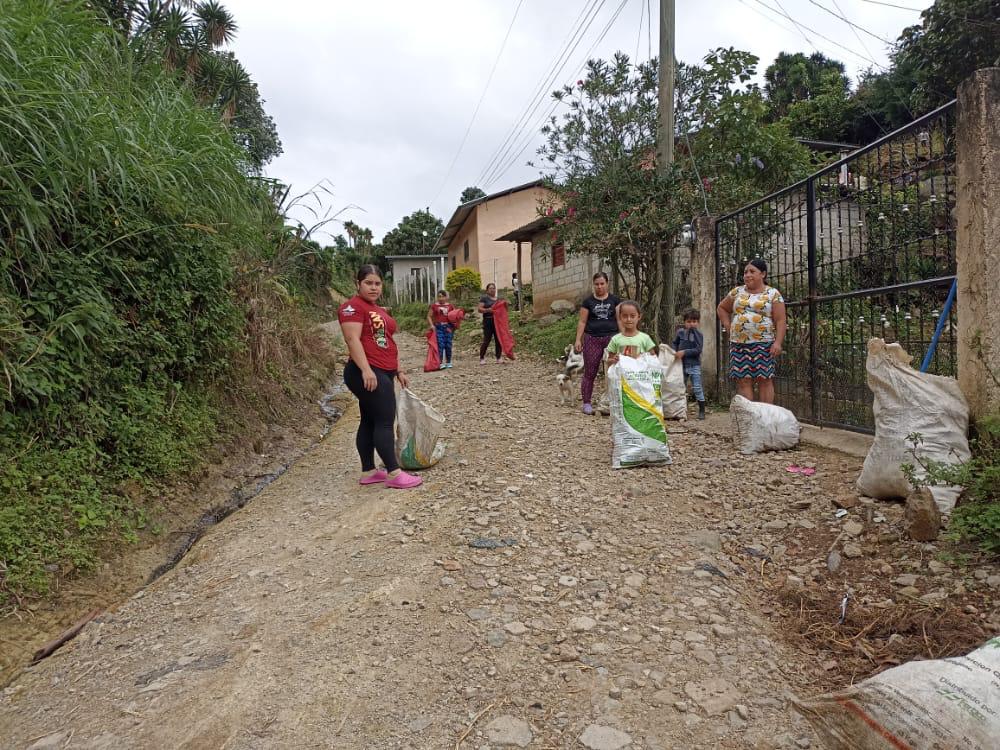
Sinuapa, Ocotepeque, Honduras. Wednesday, November 9, 2022. The Tri-national Border Community of the Lempa River (MTFRL) today increased its support from 17 local governments and communities, which joined the “Awareness and Cleanup Campaign for the Rivers of the Trifinio Region,” which feed the Motagua, Ulúa, and Lempa rivers in Guatemala, Honduras, and El Salvador.
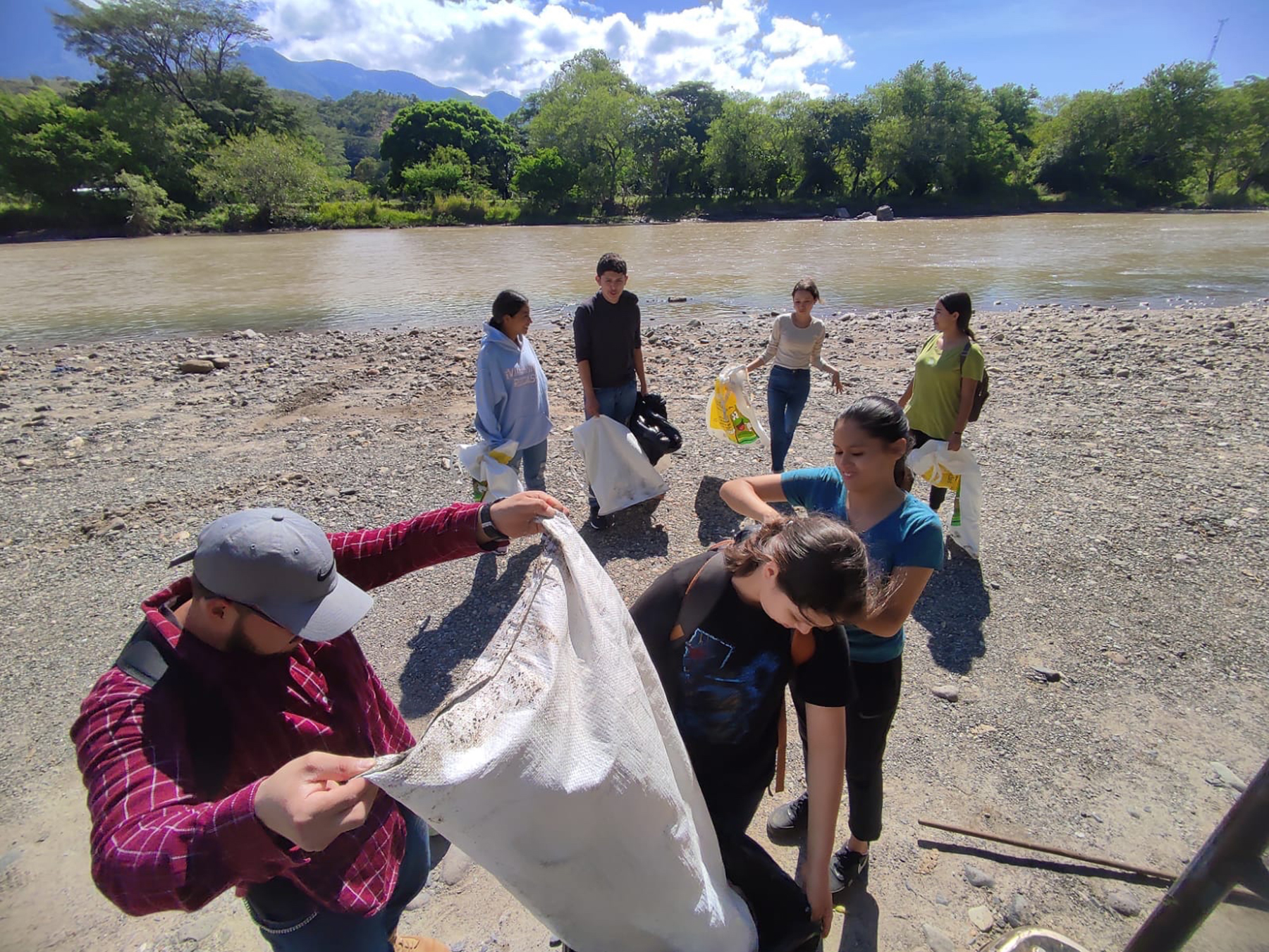
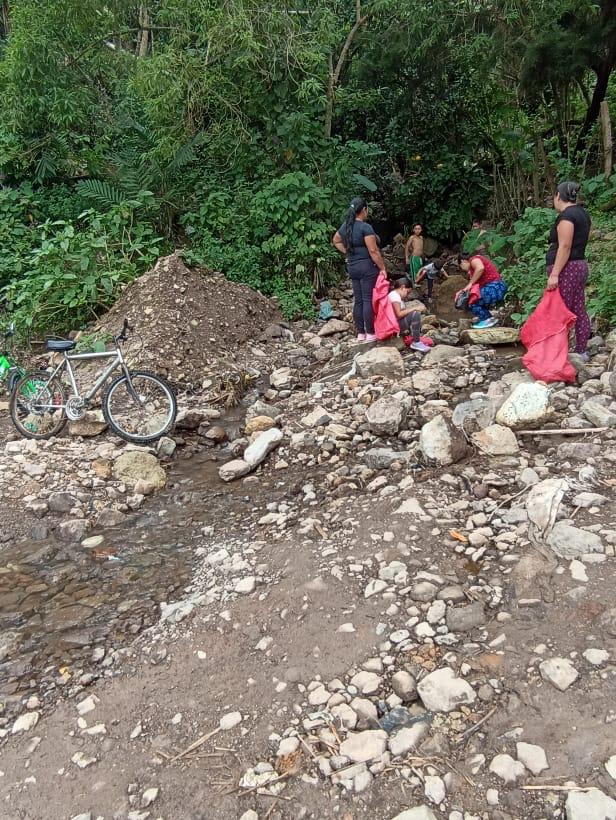
This Wednesday, November 9, environmental technicians from the Association, together with municipal staff and residents living on the banks of the Ostúa River in the municipalities of Asunción Mita and Santa Catarina Mita, in the department of Jutiapa, Guatemala, carried out cleanup activities on the tributary whose waters flow into the binational lake (Guatemala and El Salvador) of Guija and the trinational Lempa River.
The campaign is being carried out from November 7 to 11, with the support of the population and 17 local governments of the border municipalities that make up the Trinational Association. It began on the morning of Monday, November 7, on the Frío River in the municipality of Santa Fe in Ocotepeque, Honduras, which feeds into the Lempa River.
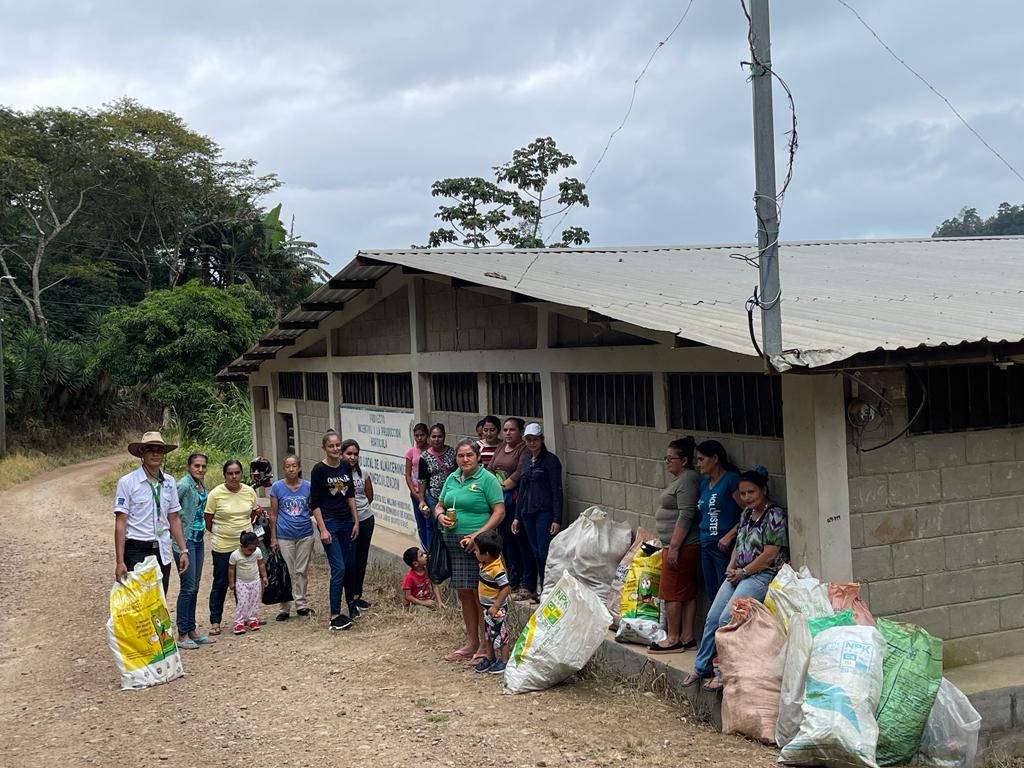
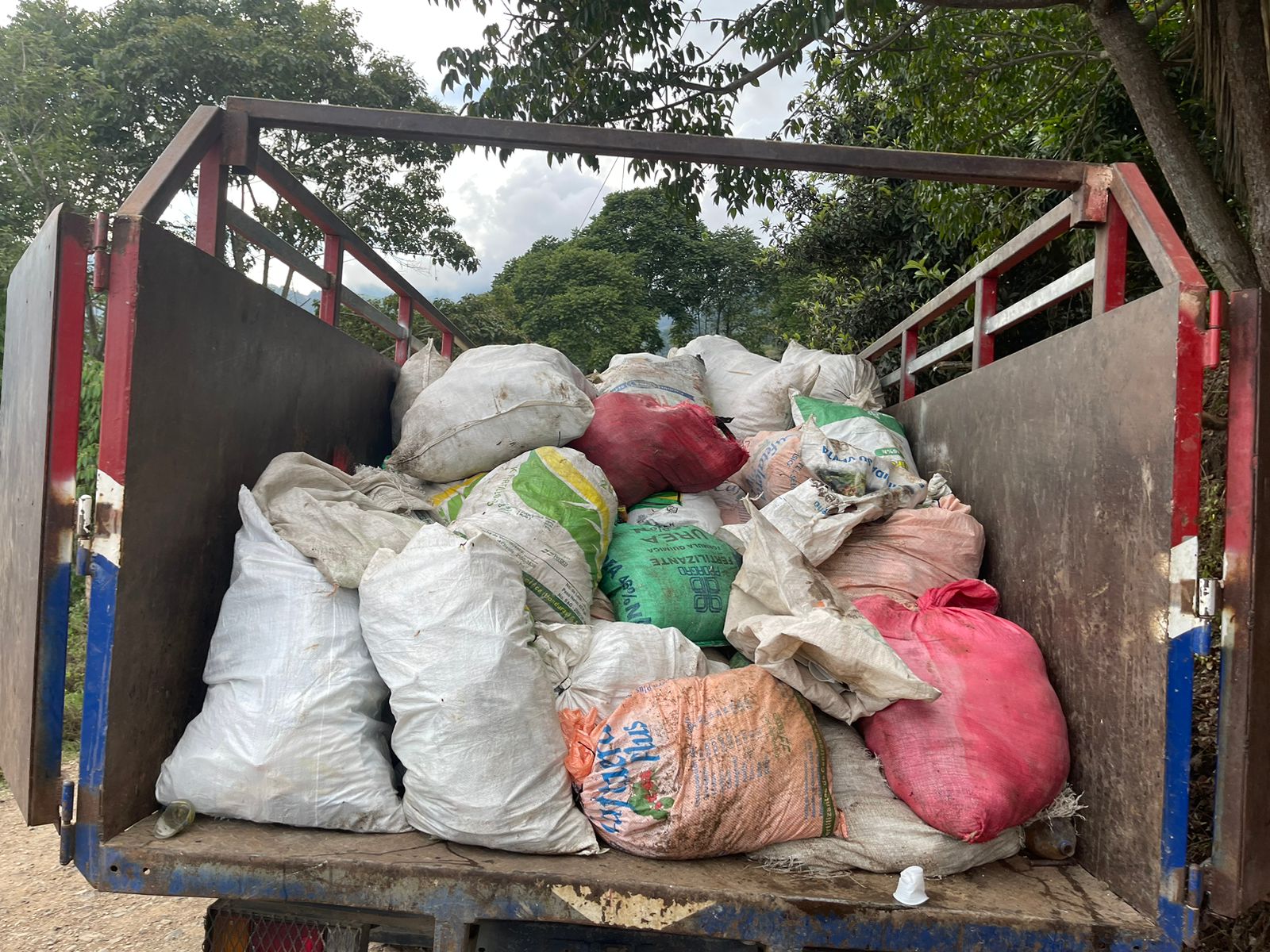
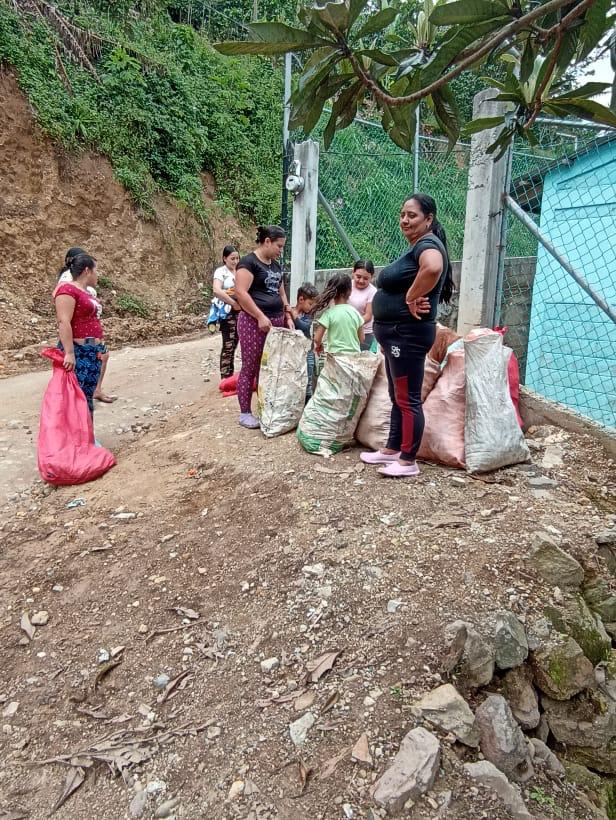
MTFRL technicians are responsible for raising awareness among the population, guiding them in the separation of waste types, and coordinating the cleanup campaign, which is carried out with the support of personnel and equipment from the municipalities, as well as members of the communities where the Association's various projects and programs are implemented.
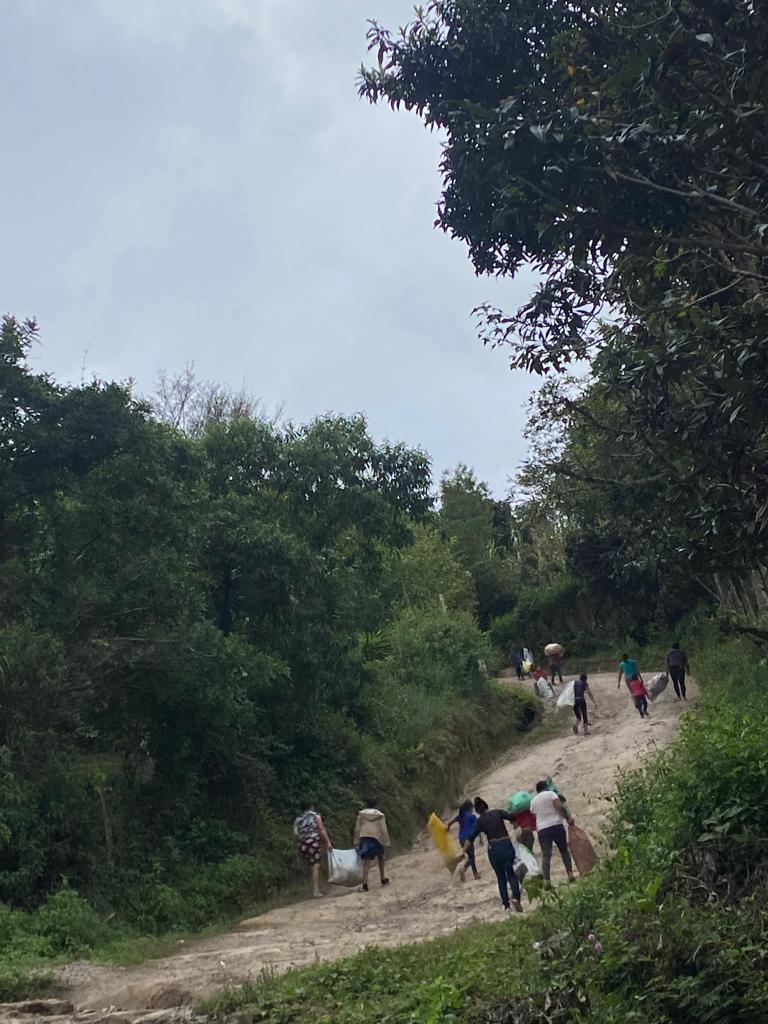
On Tuesday, August 8, members of three communities where the Food and Nutrition Security Literacy Program (AlfaSAN) is implemented, along with personnel from the municipality of La Labor in Ocotepeque, Honduras, cleaned up the areas near and along the banks of the Potrero River, a tributary of the Lempa River.
Two Salvadoran municipalities in the department of Chalatenango also joined this campaign. Technicians from the Trinational Commission, with the support of the communities and staff from the Dulce Nombre de María mayor's office, cleaned up the communities and banks of the Sumpul River.
In the municipality of Citalá, where the Lempa River enters from Honduras, Mayor Alberto Ochoa accompanied the communities and municipal staff in collecting tons of trash.
The Trifinio region is the territory where the three main rivers of the three countries originate and feed into: the (binational) Motagua River, which originates in Guatemala and flows into the coasts of that country and Honduras; the Ulúa River, which originates and flows into the Honduran Atlantic; and the (tri-national) Lempa River, which originates in the mountains of Olopa, Guatemala, runs along the border of Honduras and crosses El Salvador, until it flows into the Pacific Ocean.
For this reason, the Tri-national Association, with the support of the Heinrich Boll Foundation, Fons Catalan, and local governments, is implementing this campaign, which is part of the “Let's Rescue the Lempa River” project, benefiting the upper basins that supply water to the Motagua and Ulúa rivers.
To this end, environmental technicians, mayors, and communities from the municipalities of Ocotepeque, Sinuapa, La Labor, San Marcos, Santa Fe, and Concepción de Ocotepeque in Honduras are participating.
From Guatemala: Asunción Mita, Santa Catarina Mita, in the department of Jutiapa; Esquipulas, Camotán, Jocotán, and Olopa, in Chiquimula. And from El Salvador, Candelaria de la Frontera (Santa Ana), San Francisco Morazán, Dulce Nombre de María, and Citalá in the department of Chalatenango.